
How to Practice Ocean Safety on Oahu: The Ultimate Guide
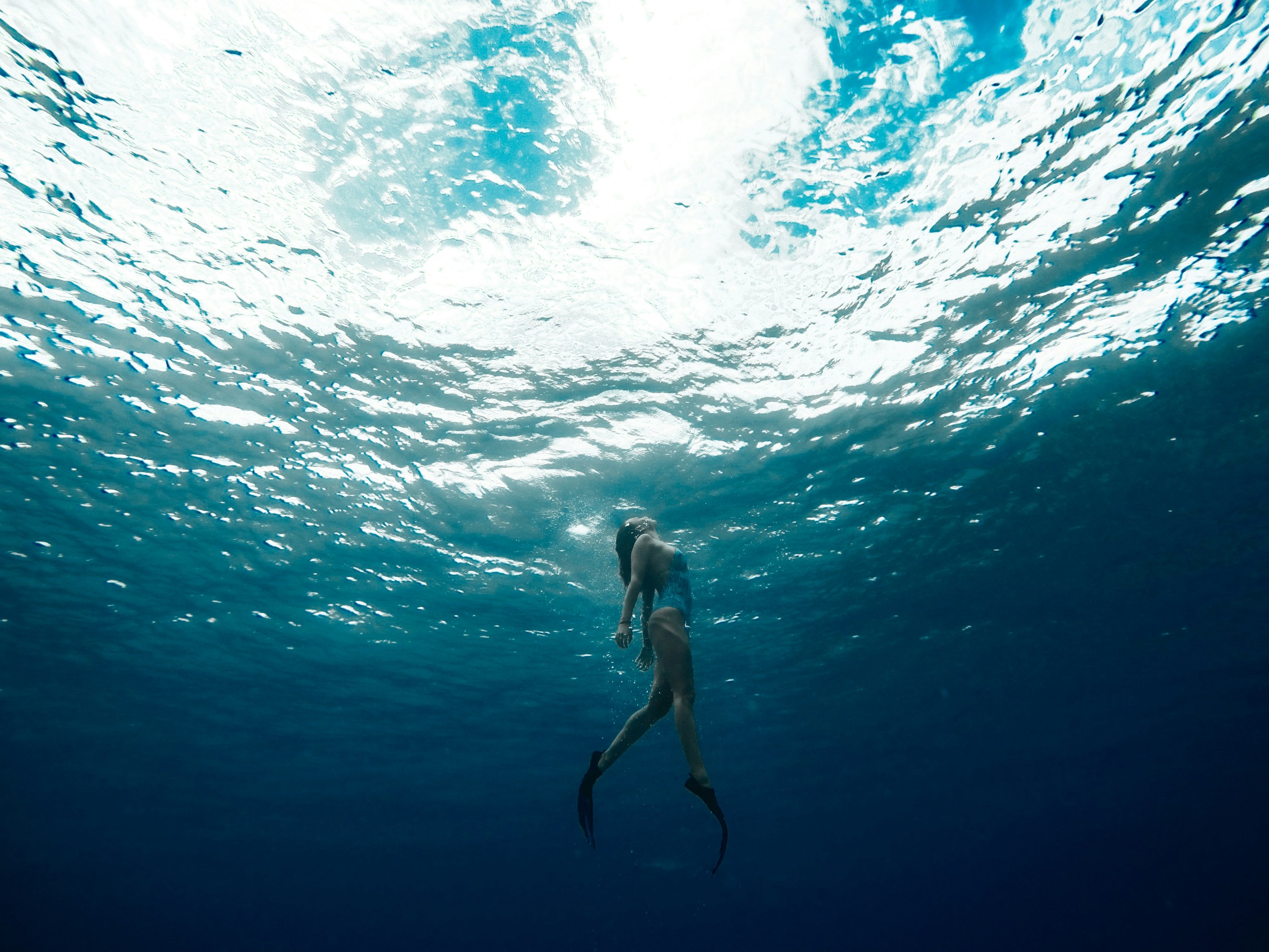
Oʻahu is surrounded by beautiful water, but the Pacific Ocean is not a swimming pool. Conditions can change quickly, and the same beach can feel completely different from one day to the next, or even from morning to afternoon.
That does not mean you should avoid the ocean. In fact, understanding how Oʻahu’s coastline works can make your time in the water safer, more enjoyable, and more rewarding.
Whether you are planning to swim at Waikīkī, snorkel at Hanauma Bay, explore the North Shore, or join a dolphin or snorkeling tour on Oʻahu’s west coast, the most important rule is simple: know the conditions and understand the ocean before you get in.
Quick Ocean Safety Checklist for Oʻahu
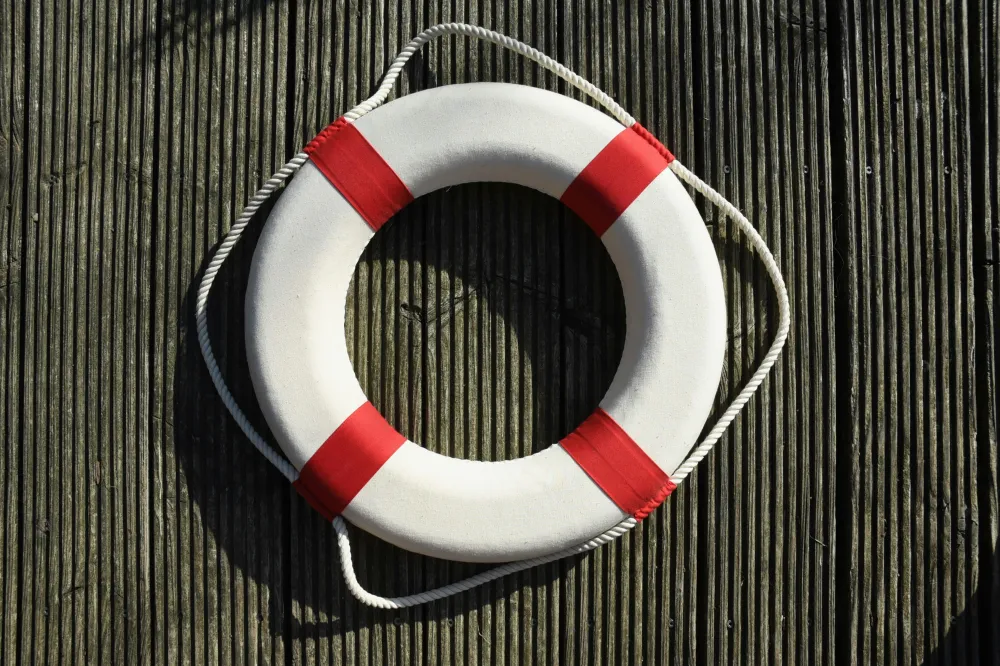
Photo courtesy of Regine Tholen
Before entering the ocean, take a minute to run through this checklist:
- Check conditions: Look at the surf and weather forecast, check current beach conditions, and talk to a lifeguard whenever one is present.
- Never turn your back to the ocean: Waves can reach farther up the beach than expected, especially during larger surf.
- Use reef-conscious sunscreen: Choose a mineral sunscreen without oxybenzone or octinoxate, and consider a rash guard for additional sun protection.
- Swim with a buddy: Never rely on your swimming ability alone to protect you in changing ocean conditions.
- Know your limits: If you are uncomfortable with the conditions, do not enter the water.
- Respect marine life: Never touch, chase, feed, or harass wild animals, and maintain the appropriate distance.
- Choose a lifeguarded beach: When possible, swim at a beach with a lifeguard on duty.
- Know what to do in a rip current: Stay calm, float or tread water, signal for help, and swim parallel to shore rather than fighting the current.
- Obey warning signs and lifeguard instructions: A beautiful beach can still be dangerous on a particular day.
Hawaiʻi Ocean Safety and Honolulu Emergency Services both recommend checking conditions, swimming near lifeguards, avoiding swimming alone, and paying attention to posted warnings.
Understanding Oʻahu’s Ocean Conditions
One of the biggest mistakes visitors can make is assuming that all of Oʻahu’s beaches have similar conditions.
Oʻahu has more than 200 miles of coastline, and its beaches face different directions. That means the island’s various shores respond differently to seasonal swells, wind, currents, and weather.
North Shore: Winter waves can be serious
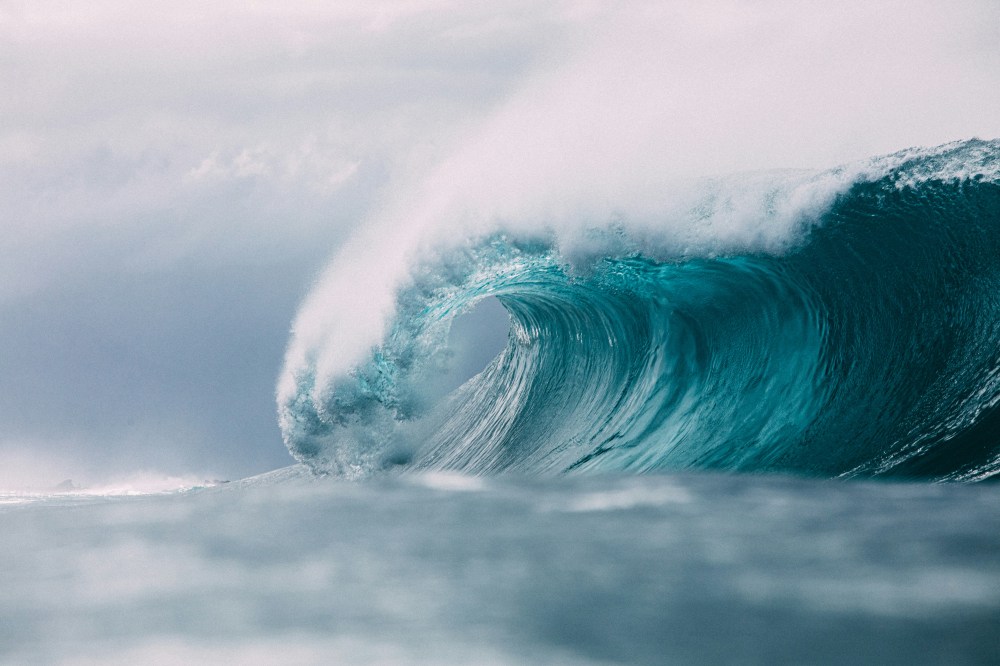
Photo Courtesy of Matt Paul Catalano
Oʻahu’s North Shore is internationally famous for its enormous winter surf. From roughly late fall through winter, powerful swells generated by storms in the North Pacific can produce very large waves along north-facing beaches.
Waimea Bay, Sunset Beach, Ehukai, and the Banzai Pipeline are spectacular places to watch experienced surfers, but large winter surf can make entering the water dangerous even for strong swimmers.
A beach that looks relatively calm from the sand may also have powerful currents or changing wave sets.
During the winter months, visitors should be especially cautious around North Shore beaches and should never assume that because other people are in the water, the conditions are appropriate for them.
South Shore: generally calmer in winter, bigger surf in summer
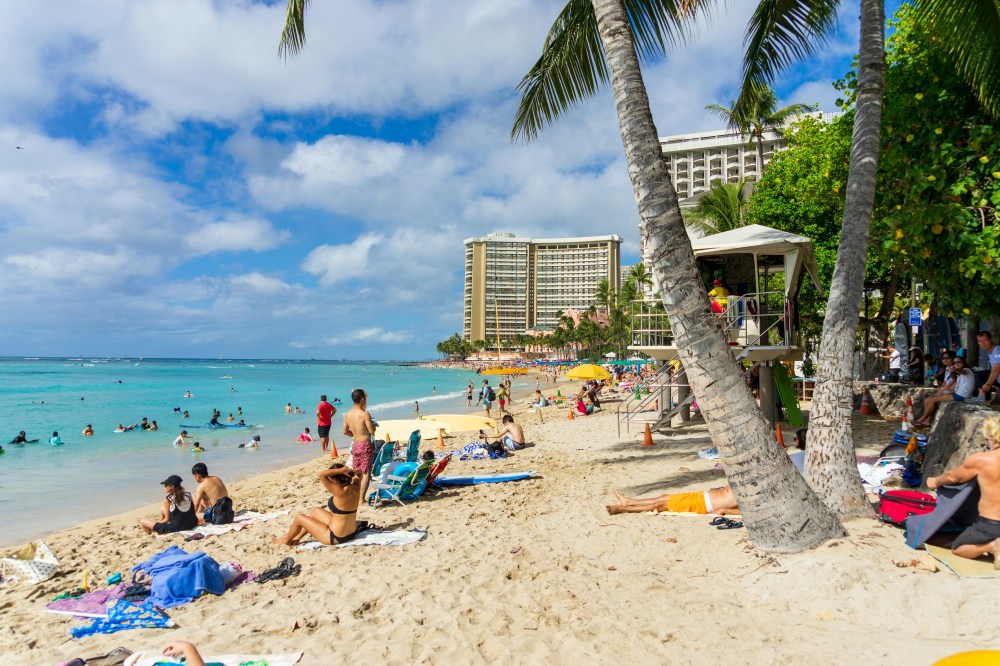
The South Shore, including Waikīkī, experiences its primary surf season during the summer months. South swells can create significant surf from approximately June through September, although conditions vary considerably from beach to beach and day to day.
During much of the year, Waikīkī’s reef-protected shoreline can provide more sheltered swimming conditions than exposed beaches elsewhere on Oʻahu. That does not mean every section of Waikīkī is automatically safe.
The shape of the reef, tide, swell, wind, and exact location all matter.
East and West Oʻahu have their own hazards
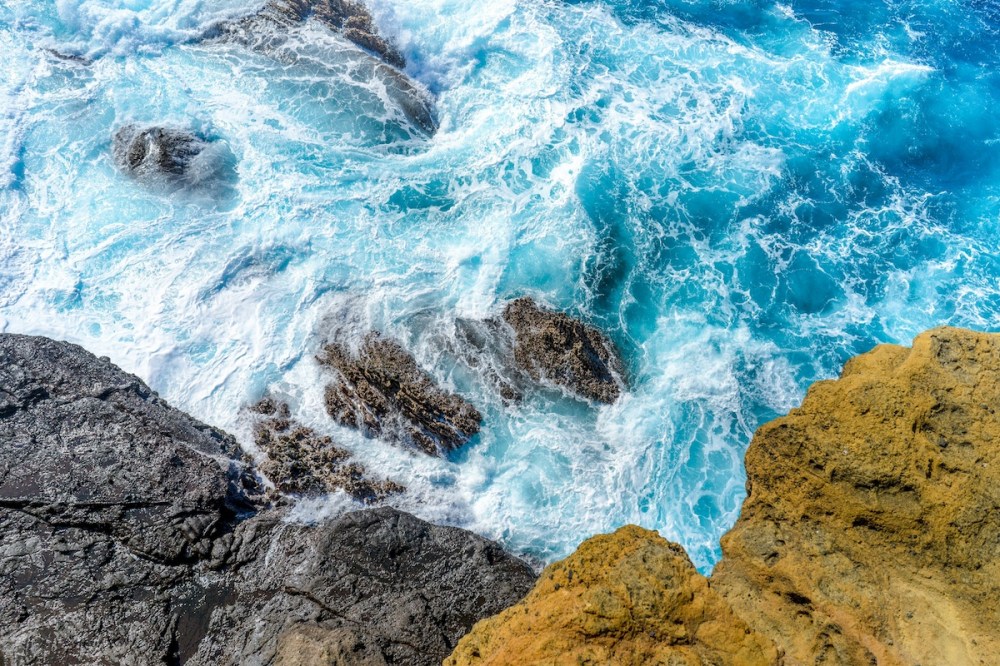
Photo courtesy of Ryan Kosmides
Windward Oʻahu can experience strong winds and waves, while beaches on the Leeward Coast can have powerful currents and exposed open-ocean conditions.
For example, Kahe Point, often called Electric Beach, is popular with experienced snorkelers because of its marine life. However, Honolulu Ocean Safety has specifically documented rescues associated with strong currents in the area.
The takeaway is more useful than memorizing which side of the island is “safe”:
There is no universally safe Oʻahu beach. There are beaches that are appropriate for particular conditions, experience levels, and activities.
How to Check Oʻahu Ocean Conditions Before You Go
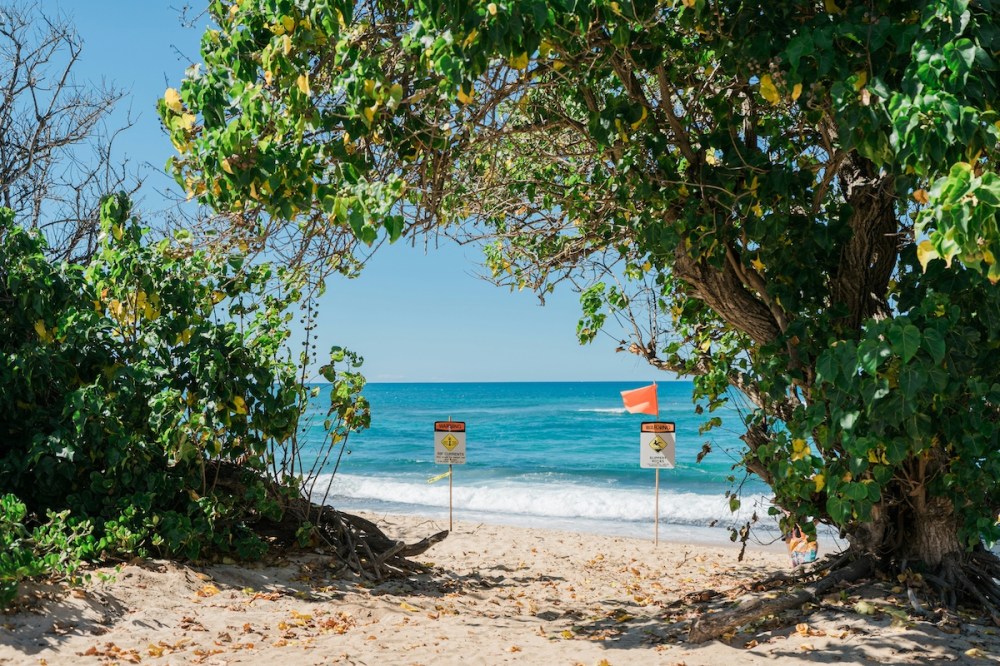
Photo Courtesy of Rachael Ledford
Checking the ocean should be part of your plans before you leave your hotel—not something you do after arriving at the beach.
Start with:
- The day’s weather forecast (Download Hawaii News Now Weather App or View Online)
- Surf and swell conditions (Download Surfline or visit the Surf News Report)
- Beach-specific safety information (Check with lifeguards or locals, if available)
- Warnings, signs, and flags at the beach
Honolulu Emergency Services specifically recommends watching the surf before entering the water and talking with a lifeguard about current conditions. Hawaiʻi Ocean Safety also provides current information and maintains a list of lifeguarded beaches.
And remember that a forecast is not a guarantee. Ocean conditions can change quickly. If the water looks significantly different from what you expected, stop and reassess.
Rip Currents: How to Recognize and Escape One
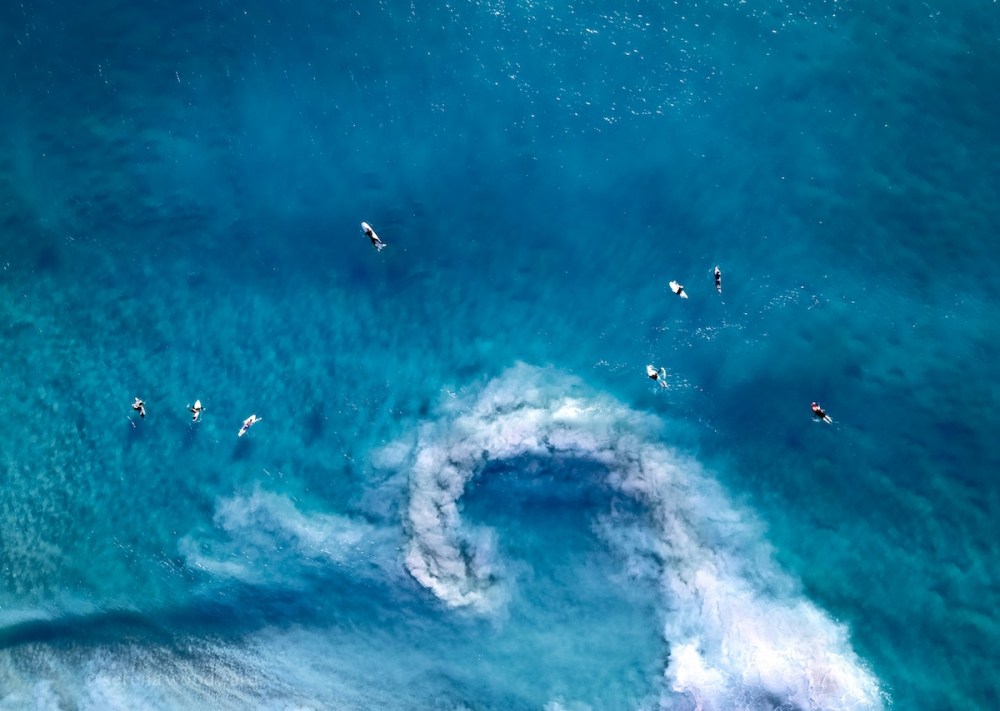
Photo Courtesy of Serena Woodward
Rip currents are among the most important ocean hazards to understand because they can affect even strong swimmers.
A rip current is a narrow, powerful channel of water moving away from shore. It does not pull you underwater; it pulls you away from the beach.
According to NOAA, rip currents can move faster than even an Olympic swimmer can sprint, which is why trying to swim directly against one can quickly exhaust you.
How to spot a rip current
Rip currents are not always obvious, but look for:
- A narrow channel where water appears to be moving steadily away from shore
- A break in the line of incoming waves
- Foam, seaweed, or debris moving offshore
- A noticeable difference in water color
- Choppy or unusually turbulent water between areas of breaking waves
One of the best places to identify a rip current is from an elevated position, such as a lifeguard tower or beach access point.
What to do if you are caught in a rip current
Do not panic and do not try to swim straight back to shore.
Instead:
- Stay afloat.
Relax and conserve your energy. Rip currents pull you away from shore rather than straight underwater. - Signal for help.
Wave your arm and call for assistance, particularly if you are tired or not a confident swimmer. - Swim parallel to the shoreline.
If you are capable of swimming, move sideways out of the current rather than fighting directly against it. - Once you are out of the current, angle back toward shore.
If you cannot swim out of the current, continue floating or treading water while signaling for help.
And if you see another person caught in a rip current, do not jump in after them. Alert a lifeguard or call 911 and, if possible, throw the person something that floats. Many would-be rescuers have themselves become victims while attempting water rescues.
Shorebreak: Why Visitors Need to Be Cautious
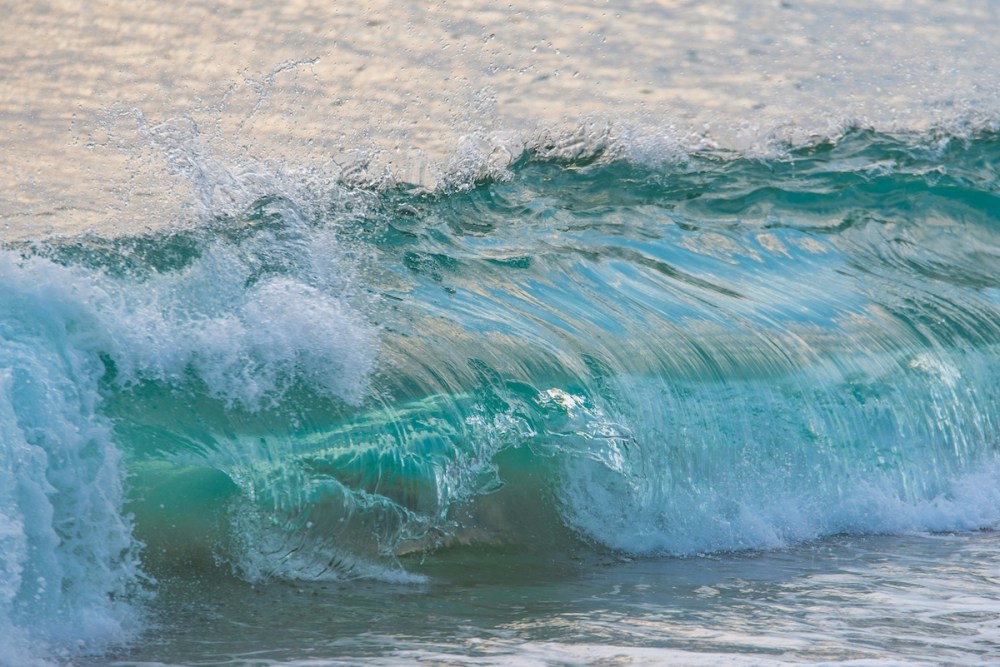
Photo Courtesy of Jaeyoon Jeong
Rip currents aren’t the only danger. A shorebreak occurs when waves break directly onto or very close to shore. Because the water may be shallow when the wave breaks, the force of the wave can push a person’s body into the bottom with considerable force.
This can cause serious injuries, including injuries to the head, neck, and back.
Hawaiʻi Ocean Safety specifically warns that dangerous shorebreak can be unpredictable, and that even relatively small waves can cause injuries under the wrong conditions. This matters particularly for visitors who are accustomed to thinking of a beach as a safe place to simply wade into the water.
Never turn your back on the ocean
This is one of the simplest rules to remember.
Do not stand with your back to the water while taking photographs. Do not sit at the waterline assuming the next wave will reach the same point as the previous one. And be particularly careful around rocks, ledges, blowholes, seawalls, and other shoreline structures.
A wave that looks harmless from a distance can travel farther up the beach than expected.
If you are near the shoreline but not swimming, you still need to pay attention to the ocean.
Lifeguarded vs. Non-Lifeguarded Beaches on Oʻahu
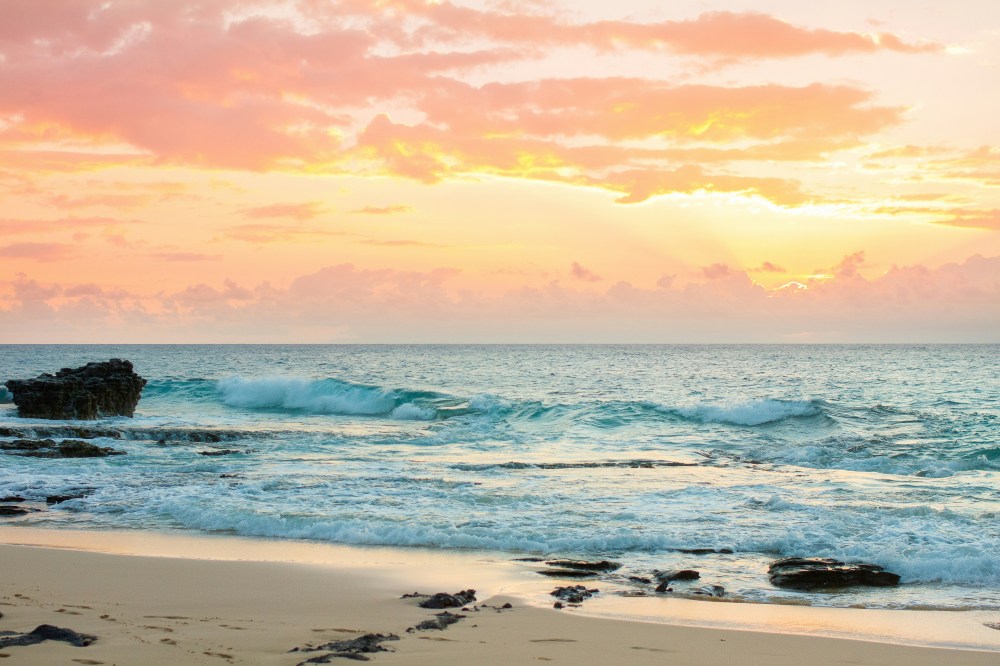
Photo Courtesy of Amy Clark
When possible, choose a beach with a lifeguard on duty.
Honolulu Ocean Safety maintains lifeguard coverage throughout Oʻahu, with towers and mobile units serving beaches around the island. These lifeguards are not simply there to perform rescues—they actively monitor conditions and intervene when they see someone entering a dangerous situation.
In fact, Honolulu’s ocean safety team is widely recognized for its expertise. Local reporting has described Honolulu Ocean Safety lifeguards as among the best-trained in the world, a distinction that makes sense given the range of conditions they encounter, from powerful North Shore surf to strong currents and shorebreak elsewhere on the island.
That local knowledge is valuable. If you are unsure whether conditions are appropriate, ask the lifeguard.
Examples of lifeguarded Oʻahu beaches
The current Hawaiʻi Ocean Safety list includes numerous lifeguarded beaches, including:
South Shore
- Waikīkī – Duke’s
- Waikīkī – Kuhio
- Waikīkī – Queen’s
- Waikīkī – Kapiolani Park
- Ala Moana Beach
- Sans Souci
- Hanauma Bay
- Sandy Beach
North Shore
- Sunset Beach
- Ehukai Beach
- Waimea Bay
- Laniakea Beach
- Haleʻiwa Aliʻi Beach Park
Windward Oʻahu
- Kailua Beach
- Waimānalo Beach
- Makapuʻu Beach
- Kualoa Regional Park
West Oʻahu
- Keawaʻula
- Mākaḥa Beach
- Māʻili Beach
- Nānākuli Beach
- Pōkaʻi Beach
Lifeguard schedules vary by location, and some beaches have limited-day coverage. Check the current Hawaiʻi Ocean Safety list rather than assuming a beach is staffed simply because it has a lifeguard tower.
What to Do in an Ocean Emergency
If someone is in immediate danger in the water: Call 911.
Give the dispatcher the beach name or your exact location and explain what happened. If a lifeguard is nearby, alert them immediately.
Do not create a second emergency by entering dangerous water to attempt a rescue yourself. If someone is caught in a rip current, alert a lifeguard and, if you can do so safely from shore, encourage the swimmer to float, remain calm, and move parallel to shore.
If you are the person in trouble, conserve your energy and make yourself visible.
A simple rule is worth remembering: Float. Signal. Get help.
Marine Life Safety: Look, Don’t Touch
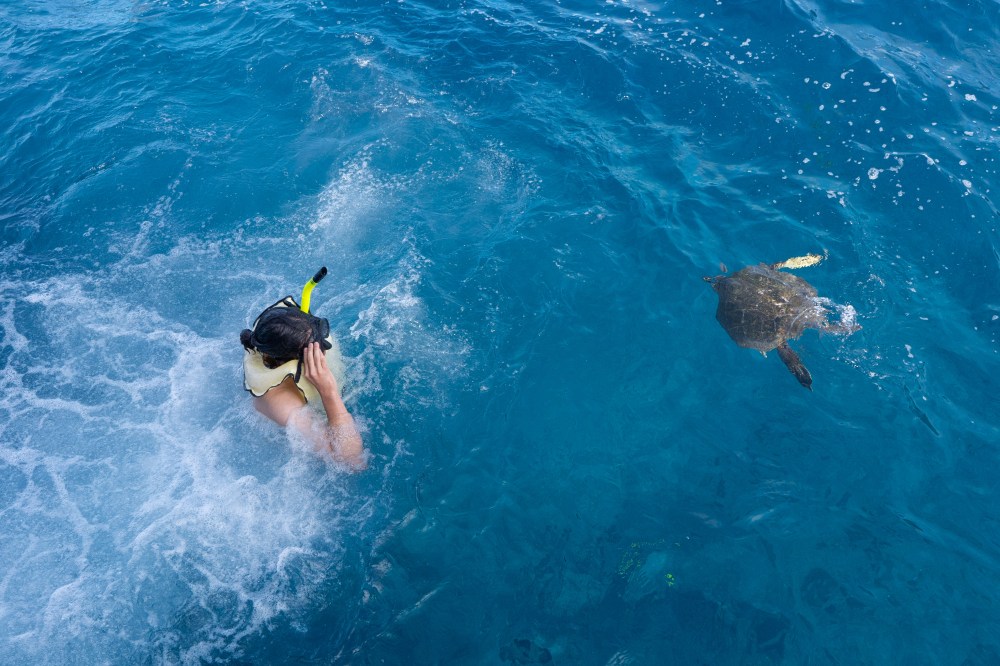
Oʻahu’s ocean is home to sea turtles, dolphins, whales, reef fish, urchins, rays, jellyfish, and countless other animals.
Seeing wildlife is one of the great pleasures of visiting Hawaiʻi. But responsible ocean recreation means remembering that wildlife need to be respected and protected for generations to come.
Hawaiian green sea turtles
If you encounter a honu, give it space. You are required by law to maintain at least 10 feet (3 meters) from sea turtles in the water and on land. Never touch, feed, chase, or attempt to ride a turtle.
If a turtle is resting on the beach, do not crowd it for photographs. Give it a clear path between itself and the ocean.
Dolphins
Dolphins are wild marine mammals, not trained performers.
For Hawaiian spinner dolphins, federal regulations prohibit swimming with, approaching, or remaining within 50 yards of them. The same 50-yard distance is the general viewing guideline for other dolphins and small whales.
That distinction is particularly important on Oʻahu, where wild dolphin encounters are popular. A responsible dolphin tour should not involve chasing dolphins, cutting off their path, or deliberately maneuvering swimmers into their path.
At Iruka Hawaii, dolphin experiences are designed around observing wild marine life with experienced captains and crew, rather than treating dolphins as animals that can be summoned or controlled. Guests can choose between different experiences, including dolphin watching and snorkeling, a family-oriented catamaran experience, and a more adventurous speedboat tour for experienced swimmers.
Jellyfish and Portuguese Man o’ War
Jellyfish can be difficult to see in the water, and Portuguese Man o’ War can sometimes wash onto the beach.
On Oʻahu, box jellyfish are particularly associated with a recurring lunar pattern. Research from the University of Hawaiʻi at Mānoa has found that Hawaiian box jellyfish commonly arrive along leeward Oʻahu shores approximately 8 – 10 days after the full moon.
That does not mean a sting is guaranteed on those dates, but it is a useful reason to check local beach warnings before swimming.
Also remember that a jellyfish or Portuguese Man o’ War washed onto the sand can still sting. Do not touch one simply because it appears dead.
Sea urchins and coral
Hawaiʻi’s reefs are beautiful but can be surprisingly sharp.
Sea urchins, known locally as wana, have brittle spines that can puncture skin. Coral can also cause cuts and abrasions. The safest approach is simple: do not stand on the reef, do not touch coral, and keep your hands away from holes and crevices.
This protects both you and the ecosystem.
Protect Yourself and the Reef
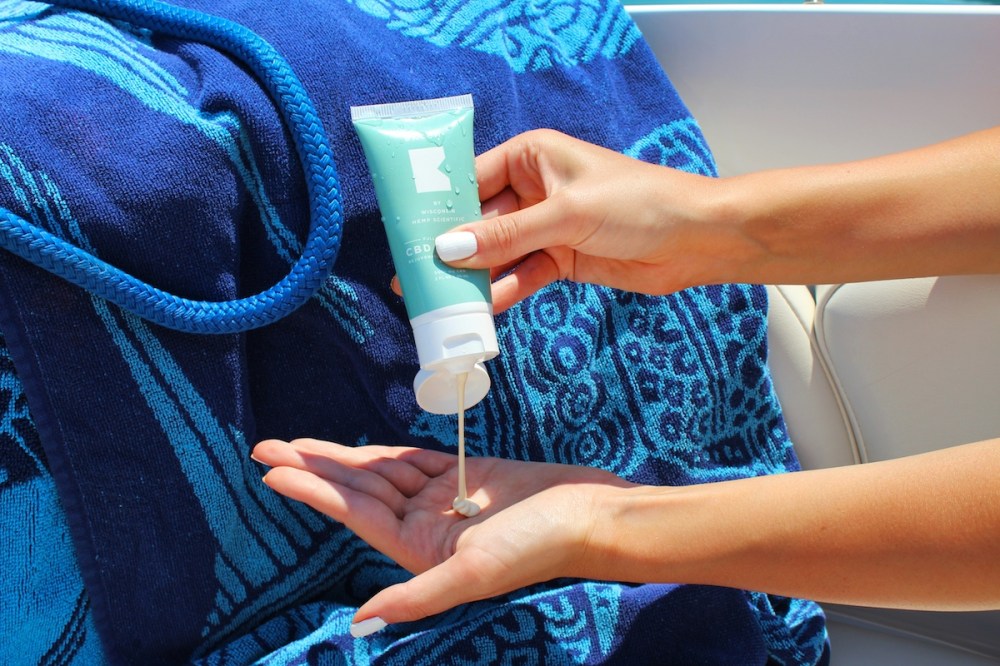
Photo Courtesy of Bath
Sun protection is an ocean-safety issue, too. Hawaiʻi’s tropical sun can cause significant UV exposure even on cloudy days, and sunscreen should be part of your beach routine. At the same time, choose sunscreen carefully.
We recommend sunscreen without oxybenzone or octinoxate, chemicals associated with harm to coral reefs. Mineral sunscreens using zinc oxide or titanium dioxide are an option, and rash guards can reduce how much sunscreen you need to apply.
One important clarification: “reef safe” is a marketing term rather than a regulated certification. Read the ingredient label instead of relying solely on the words on the front of the bottle. You can find Raw Love Mineral Sunscreen on island at Whole Foods.
And sunscreen is only part of reef etiquette. Avoid touching coral, standing on reefs, kicking coral with your fins, or stirring up the seafloor unnecessarily.
Why a Guided Ocean Tour Can Be a Safer Way to Explore Oʻahu’s Ocean
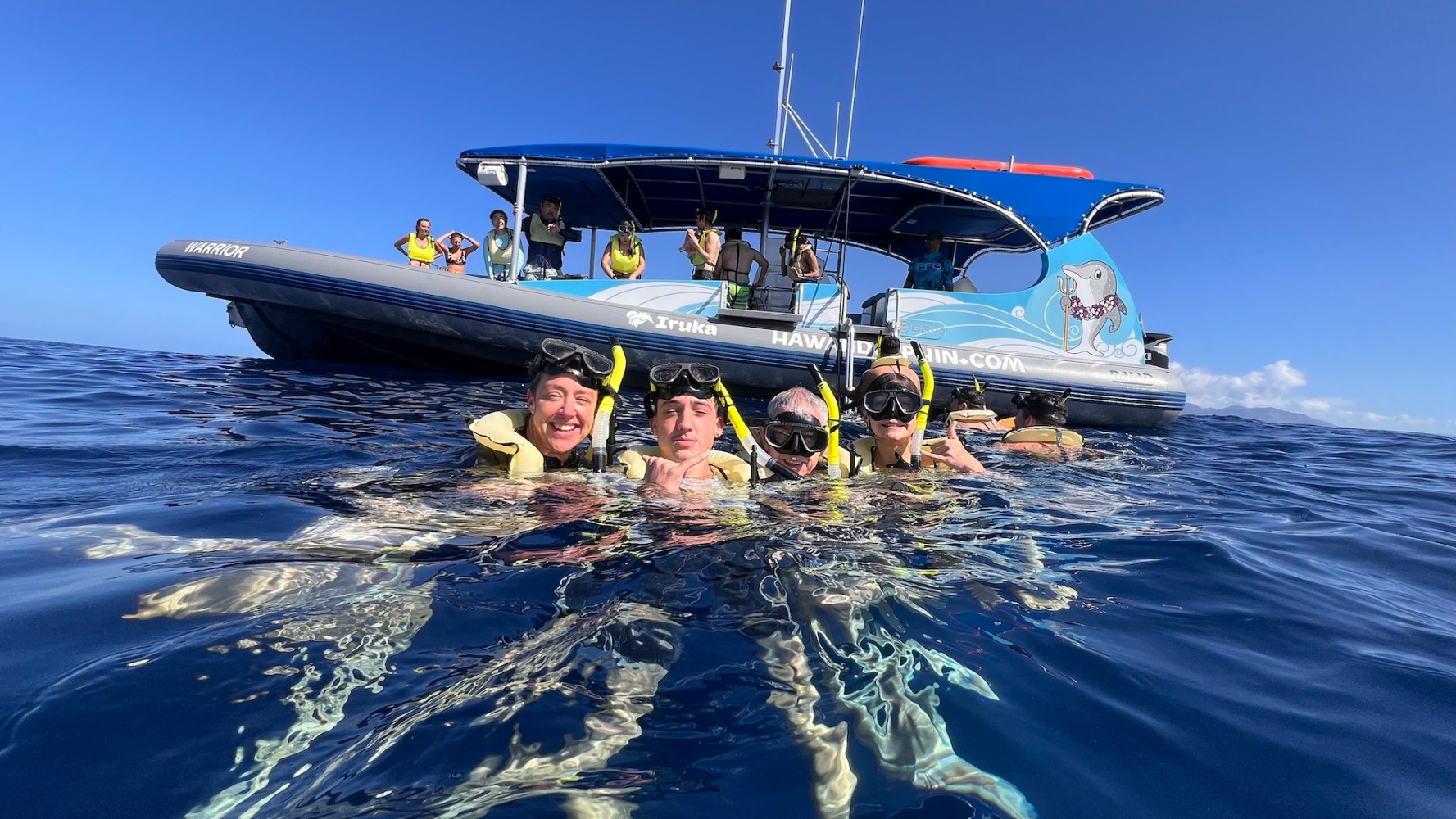
There is a major difference between entering unfamiliar open ocean on your own and experiencing it with a professional crew.
For visitors who want to go beyond the beach, a guided tour can be one of the more controlled ways to experience Oʻahu’s open ocean because the crew is responsible for assessing conditions, operating the vessel, providing appropriate safety equipment, and explaining procedures before guests enter the water.
That is especially valuable if you are unfamiliar with Hawaiʻi’s ocean conditions.
A good tour operator should help answer questions such as:
- Is today’s ocean appropriate for this activity?
- Is this tour suitable for my swimming ability?
- What equipment do I need?
- Where should I enter and exit the water?
- What should I do if I become uncomfortable?
- How should I behave around wildlife?
- What happens if conditions change during the trip?
Iruka Hawaii builds these considerations into its Oʻahu experiences. Its tours provide safety briefings, life jackets and snorkeling equipment, with different experiences designed for different comfort and experience levels. Our family-oriented catamaran is intended to be more accessible for beginners, while the Oʻahu speedboat dolphin adventure is designed for experienced swimmers comfortable in open water.
The safest tour is not necessarily the most adventurous one. It is the one appropriate for your experience, comfort level, and the day’s conditions.
If you are a first-time snorkeler, a parent traveling with children, or simply nervous about open water, tell the crew. If you are an experienced swimmer looking for a more adventurous experience, choose an activity that matches those skills.
The Oʻahu Ocean Safety Mindset
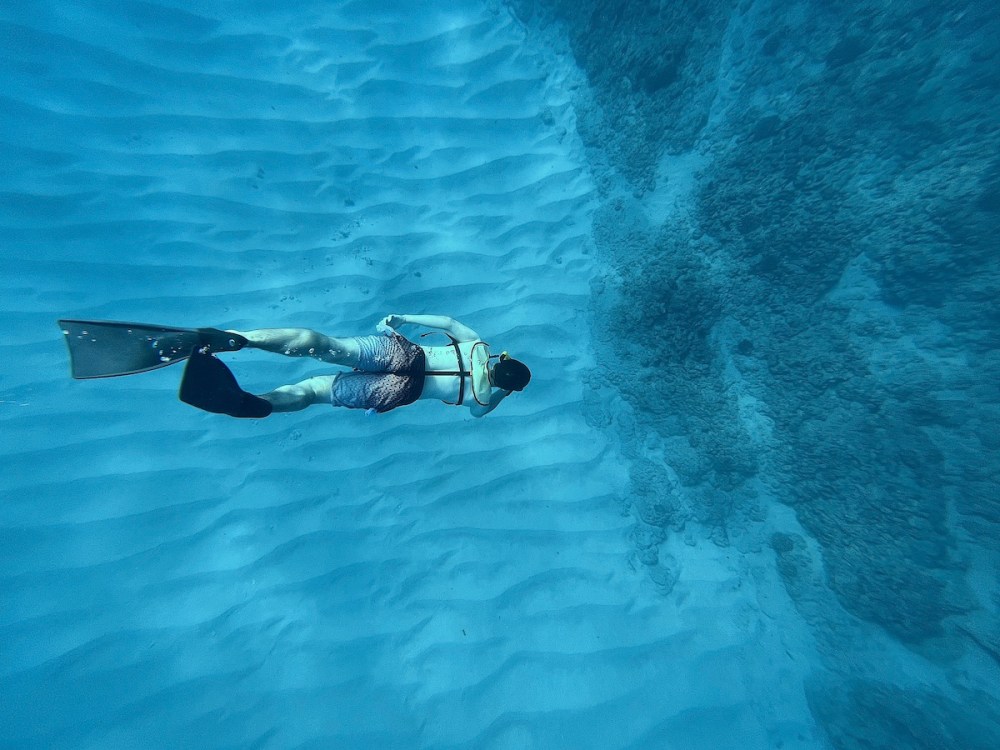
There is no need to fear the ocean. The ocean is magical and inviting for those who understand it and respect its power.
Before you get in, check the conditions.
Once you arrive, watch the water.
If there is a lifeguard, talk to them.
If you are swimming, bring a buddy.
If you see wildlife, give it space.
If conditions change, get out.
And if you are unsure whether you should enter, you don’t need to prove anything to the ocean.
Oʻahu offers everything from sheltered swimming areas to some of the most powerful surf in the world. The key to enjoying it is knowing the difference.
And when you want to explore beyond the beach, choosing an experienced, safety-focused operator can give you another layer of support while you experience the open ocean.
Respect the ocean, listen to local expertise, and let the conditions (not your itinerary) determine what is safe that day.
Frequently Asked Questions
What is the safest way to swim in Oʻahu?
Choose a lifeguarded beach, check current conditions before entering the water, talk to a lifeguard, swim with a buddy, and stay within your abilities. Conditions vary considerably between Oʻahu beaches and can change throughout the day.
Are Oʻahu beaches safe for swimming?
Some beaches can offer relatively calm swimming conditions, while others can have dangerous surf, shorebreak, or currents. No beach should be considered universally safe. Always check current conditions and follow lifeguard instructions.
How do you escape a rip current in Oʻahu?
Stay calm, float or tread water, signal for help, and swim parallel to the shoreline to escape the current rather than trying to swim directly against it. Once clear of the current, swim toward shore at an angle.
Are there lifeguards on Oʻahu beaches?
Yes. Honolulu Ocean Safety provides lifeguard coverage at beaches throughout Oʻahu, including beaches in Waikīkī, on the North Shore, Windward Oʻahu, and the Leeward Coast. Coverage hours vary by location.
How far away should you stay from sea turtles in Hawaiʻi?
Hawaiʻi’s Division of Aquatic Resources recommends staying at least 10 feet away from sea turtles, both in the water and on land. Do not touch, feed, or harass them.
How close can you get to dolphins in Hawaiʻi?
Hawaiian spinner dolphins are protected by federal regulations that prohibit swimming with, approaching, or remaining within 50 yards of them, unless they approach you of their own free will.
When are jellyfish most common in Waikīkī?
Hawaiian box jellyfish commonly appear along leeward (northeastern) Oʻahu shores around 8 to 10 days after a full moon. Always check current beach warnings because the timing and intensity of jellyfish arrivals can vary.
Should I take a guided ocean tour on Oʻahu?
A guided tour can be a useful choice if you want to experience the open ocean without having to independently navigate unfamiliar conditions. Look for an operator that provides safety briefings, appropriate equipment, experienced crew, and activities suited to your swimming ability and comfort level.