
Hawaii Ocean Activities for Kids, Teachers and Traveling Families
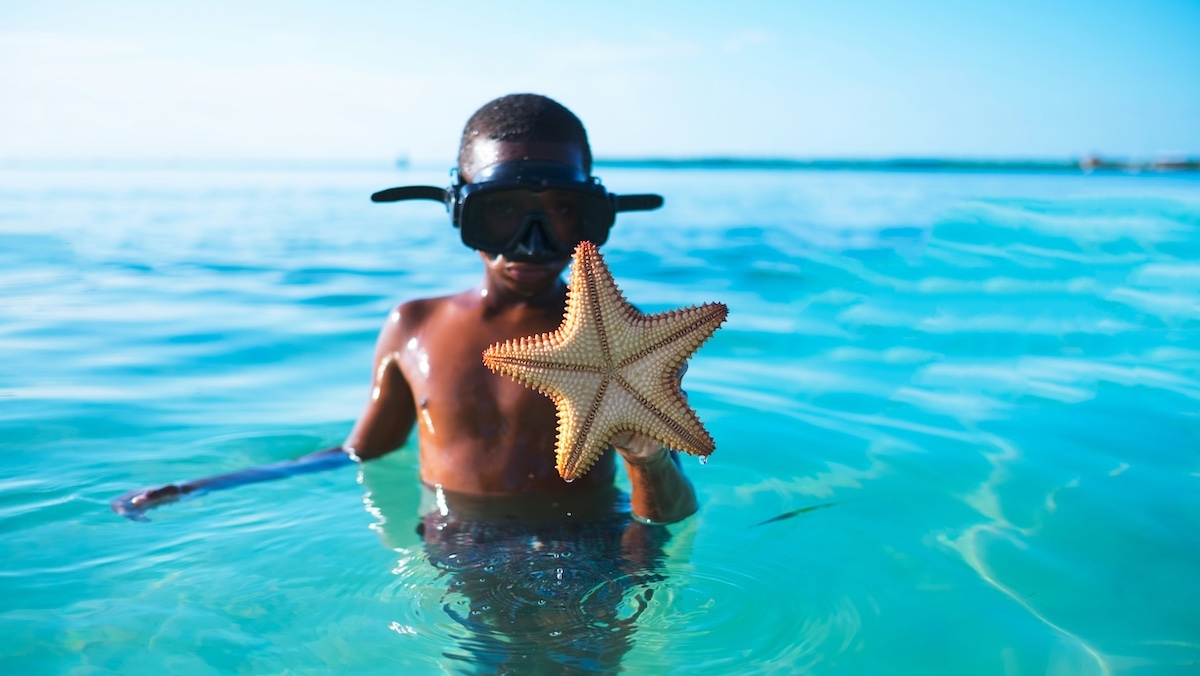
For kids, teachers, and traveling families, Hawaiʻi is one of the most powerful outdoor classrooms on Earth.
Parents planning a family trip, teachers designing an ocean-science unit, and homeschool groups looking for hands-on learning have plenty of options for ocean activities for kids in Hawaiʻi. We’ll walk through free digital resources, the best kid-friendly beaches for tide-pooling, marine animals to spot, ocean safety essentials, a packing checklist, and the guided experiences for families and school groups who want the planning done for them.
Why Ocean Education Matters
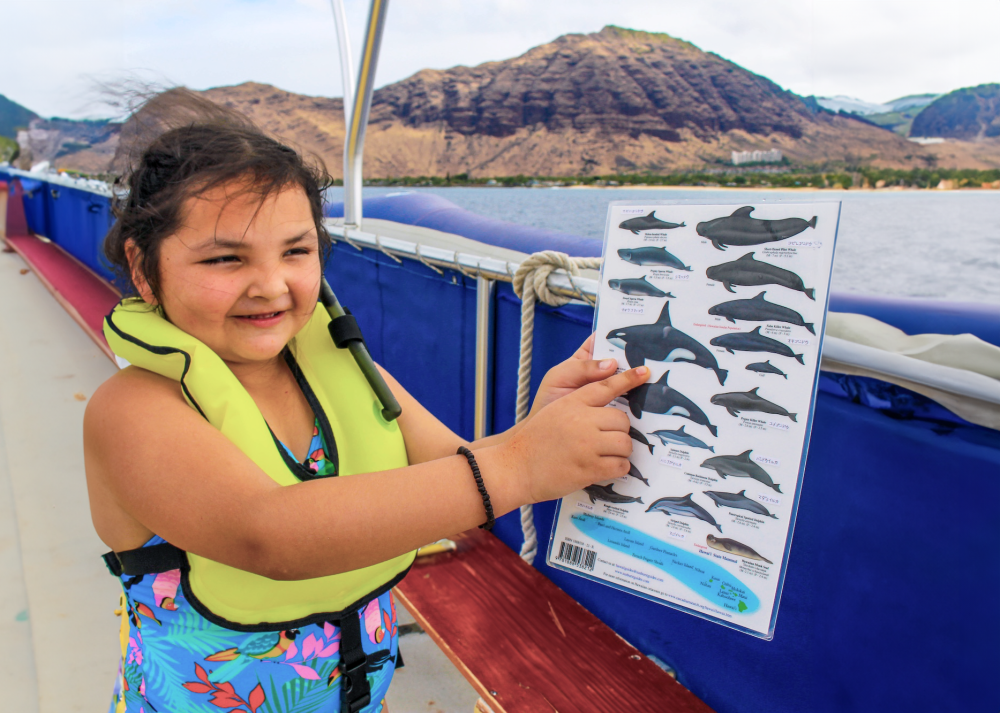
Books and videos can introduce a child to the ocean, but nothing replaces standing ankle-deep in a tide pool watching a hermit crab scuttle across their hand. Hands-on ocean activities for kids are some of the most effective learning experiences available.
Kids retain information better through experience. Educational research consistently shows that experiential learning — touching, observing, and doing — creates stronger, longer-lasting memories than passive instruction. A child who has personally watched a turtle surface for air will remember how sea turtles breathe far longer than one who only read about it.
Environmental stewardship begins with exposure. Children protect what they understand and love. A single afternoon spent watching reef fish weave through coral can plant the seed of lifelong environmental stewardship far more effectively than a worksheet ever could.
Learning outside the classroom improves engagement. Outdoor, place-based learning consistently boosts curiosity, attention, and retention compared to indoor instruction alone. The ocean turns “students” into explorers.
Ocean literacy is more urgent than ever. As climate change, coral bleaching, and plastic pollution increasingly affect marine ecosystems, raising a generation of ocean-literate kids isn’t optional. It’s essential. Hawaiʻi, with its visible coral reefs and abundant marine life, is one of the best places on the planet to build that literacy firsthand.
With that foundation in mind, here’s how to start preparing before you even touch the water.
Learn Before You Go
The best ocean activities for kids start with a little preparation. These free and low-cost resources help kids arrive at the beach already excited about what they’re going to see.
Free E-books
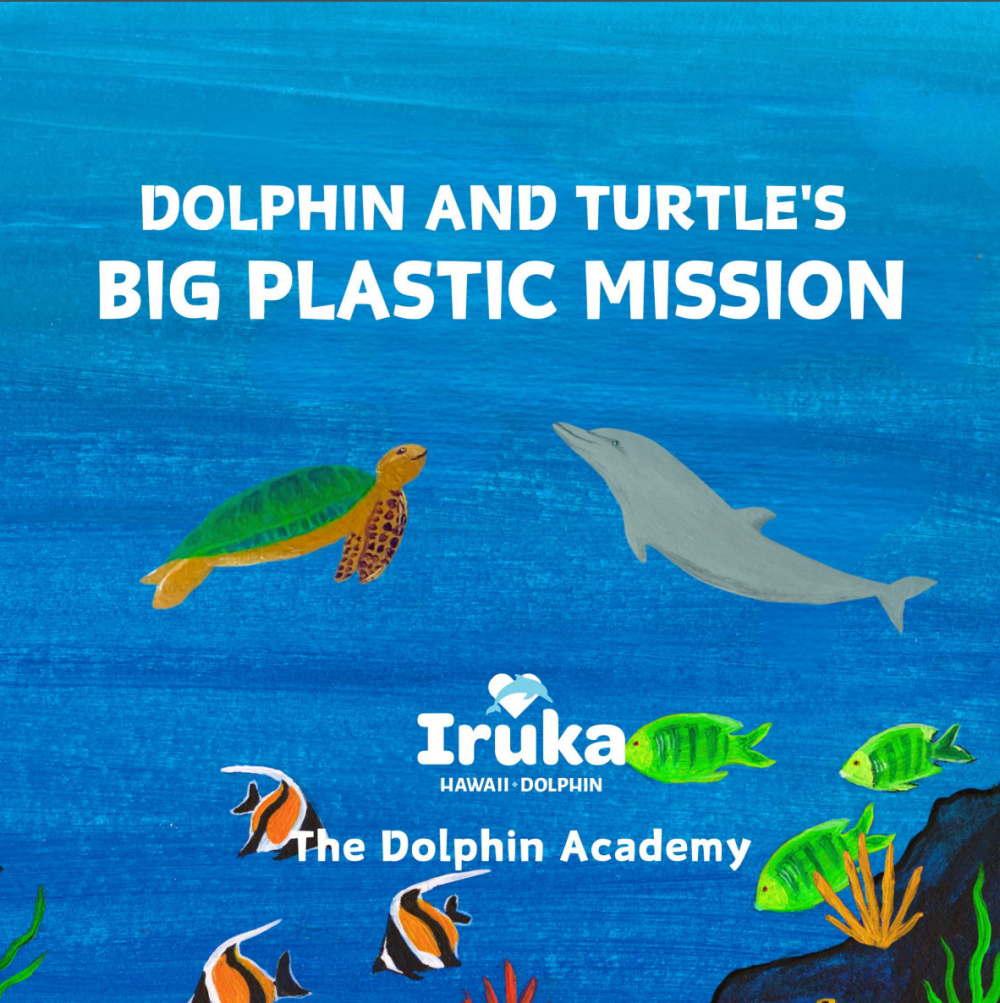
Before the trip, get kids excited with free digital children’s books from Iruka Hawaii. Subscribing to the Iruka Hawaii email list unlocks free digital copies of two original, hand-illustrated titles: Dolphin & Turtle’s Big Plastic Mission and Exploring the Coral Sea. Both books pair hand-painted illustrations with age-appropriate educational content, making them a perfect bedtime read in the weeks leading up to a Hawaiʻi trip.
Simply subscribe to Iruka Hawaii’s email list for access.
FREE Educational Worksheet
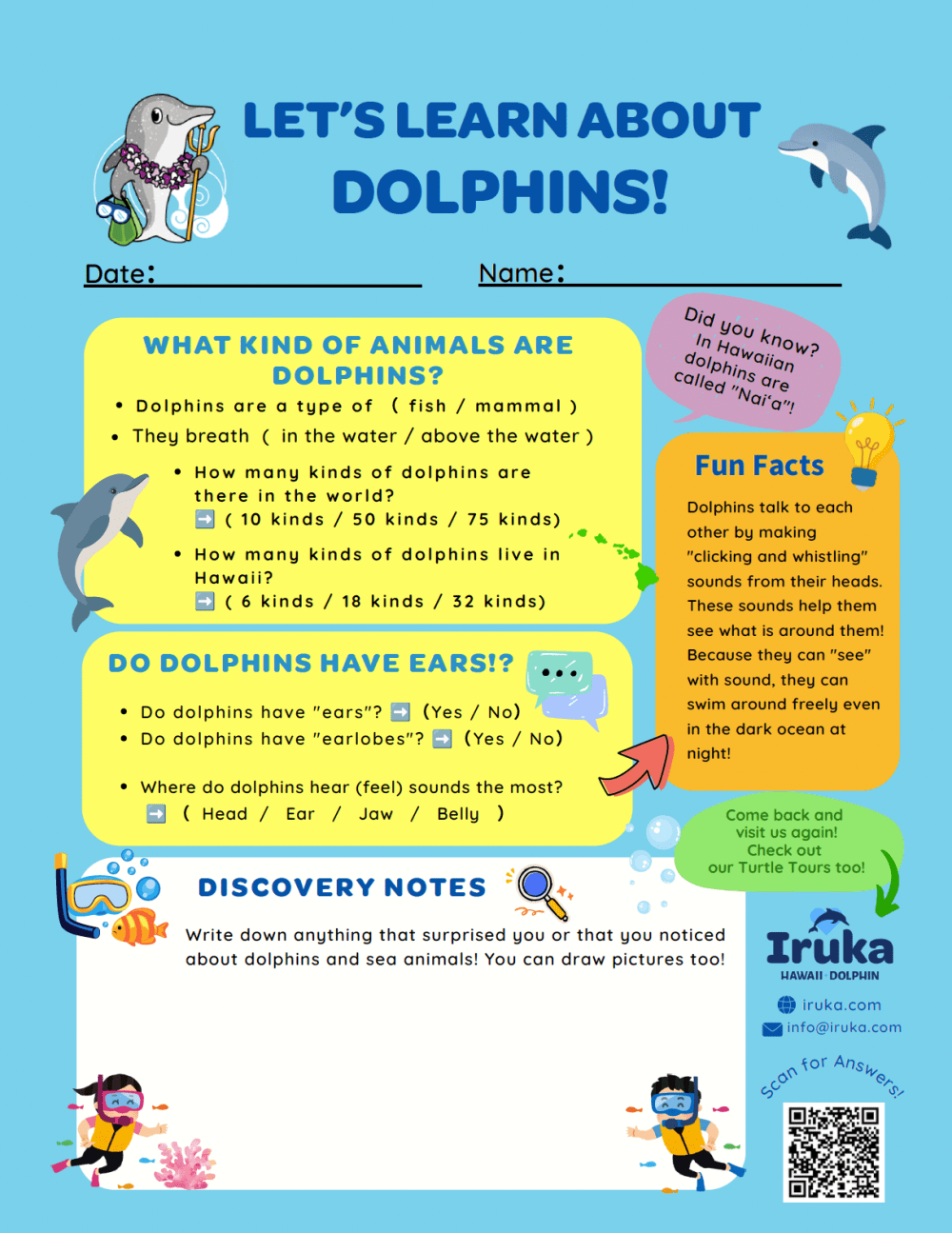
Print off this worksheet or fill out the PDF online to help your kids learn more about dolphins, sea turtles, and marine biology.
Reef Guardians App
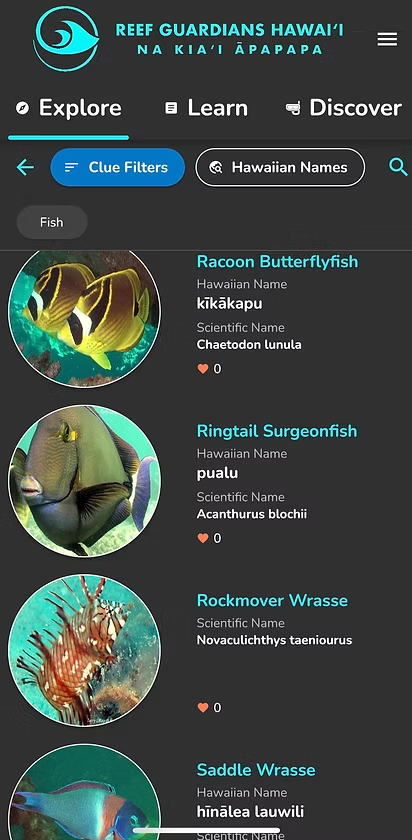
For families who want an interactive way to identify what they’re seeing in real time, the Reef Guardians app is a free, family-friendly tool for figuring out exactly what marine life you’ve spotted while snorkeling or walking along the Hawaiian shoreline.
Reef Guardians Hawaii, a 501(c)(3) nonprofit with offices in Hawaiʻi and California, built the app around a simple belief: saving coral reef habitats starts with getting the next generation excited about protecting them. The organization focuses on monitoring marine environment health and educating tomorrow’s ocean advocates. The app is a great hands-on extension of that mission for visiting families.
Reef Guardians Course
Teachers and motivated families looking for a deeper dive should check out the Reef Guardians online course, developed by marine scientists and Hawaiian cultural experts. The self-paced course covers marine science and Hawaiian culture, with each unit taking about an hour to complete.
Lessons combine videos, e-books, journals, downloadable PDFs, artistic crafting breaks, and interactive games, finishing with a certification. It’s available for a small fee, and free for Hawaiʻi residents.
Marine Animals Kids Can Learn About in Hawaiʻi
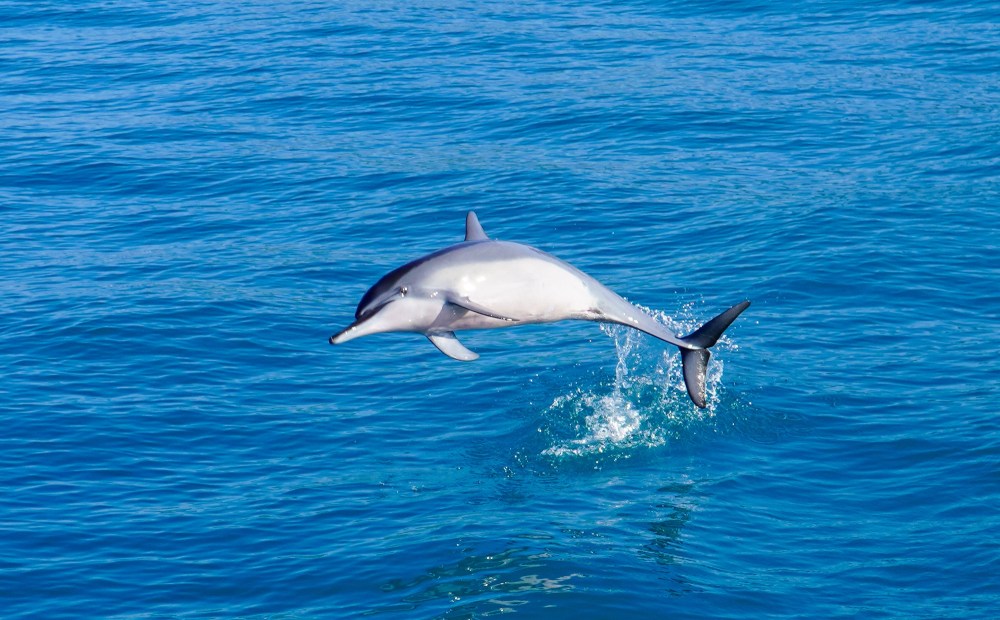
Part of what makes Hawaiʻi such a rich classroom is the sheer diversity of marine life kids can encounter, often in a single outing. Here’s a field guide to what to look (and listen) for.
Hawaiian Green Sea Turtle (Honu): Hawaiʻi’s most iconic resident, the honu is a herbivore that grazes on algae and seagrass and can live for decades. Honu are protected under federal and state law, and kids will often spot them resting on rocks or gliding gracefully along reef edges.
Spinner Dolphins: Named for their acrobatic leaping spins, these small, social dolphins rest in Hawaiʻi’s calm bays during the day after a night of offshore feeding. Their playful energy makes them an instant favorite with kids.
Bottlenose Dolphins: Slightly larger and often more curious than spinner dolphins, bottlenose dolphins are highly intelligent and known for complex social behavior.
Humpback Whales: Each winter (roughly December through April), humpback whales migrate to Hawaiian waters to breed and give birth, making this one of the best whale-watching seasons in the world and a powerful lesson in long-distance animal migration.
Reef Fish: From the vivid yellow tang to Hawaiʻi’s state fish, the humuhumunukunukuāpuaʻa (reef triggerfish), Hawaiʻi’s coral reefs host hundreds of fish species. It’s a colorful, ready-made lesson in biodiversity and camouflage.
Hawaiian Monk Seal: One of the most endangered marine mammals on Earth, the Hawaiian monk seal is found nowhere else in the world. Kids should always observe monk seals from a respectful distance, which makes for a great discussion about endangered species and protected wildlife laws.
Coral Reefs: Far from being rocks, coral reefs are living colonies of tiny animals called polyps. They’re a foundational lesson in ecosystems, since reefs shelter and feed an enormous share of Hawaiʻi’s marine life.
Sea Urchins: Spiny and slow-moving, sea urchins (waʻawaʻa) are common tide-pool finds and a great hands-on (but look-don’t-touch) lesson in invertebrate anatomy.
Octopus (Heʻe): Masters of camouflage, octopi can change color and texture in an instant to blend into the reef. Spotting one is a thrilling moment for kids and a fantastic entry point into discussions about animal intelligence.
Experience the Ocean
Once kids know what they’re looking for, it’s time to get them in or near the water.
Beaches: Best Kid-Friendly Spots for Tidepooling
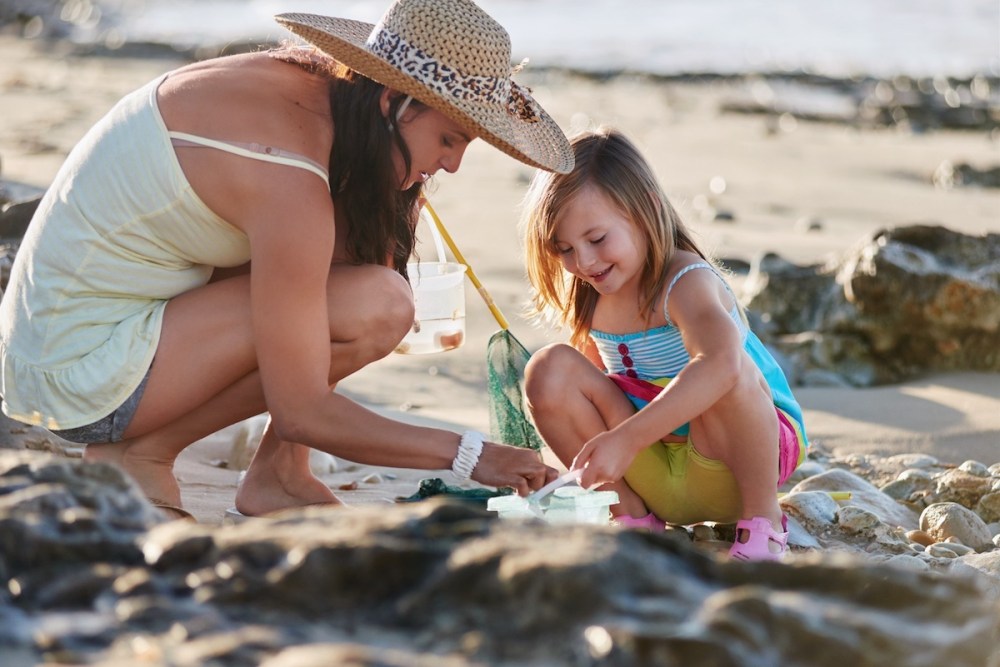
Mother and daughter spend the day fishing at the beach together having fun and bonding over some qaulity parent childhood time
Tide pools are shallow, contained, and packed with life. A few of the best spots across the islands:
- Shark’s Cove (Oʻahu): Calm, shallow tide pools, best visited in summer when north shore swells are minimal.
- Lydgate Beach (Kauaʻi): A protected, rock-walled pool that’s one of the safest swim spots on Kauaʻi for little ones.
- Kalama Beach (Big Island): A lower-key spot with tide pools well suited to slow, exploratory beach combing.
- Baby Beach (Maui): True to its name, a shallow, current-free pool perfect for toddlers and first-time waders.
While exploring, kids can look for tide pool crabs, hermit crabs swapping shells, small darting fish, sea cucumbers, and limu (native Hawaiian seaweed), all without ever leaving the shallows. Remind kids to observe gently and leave creatures exactly where they found them.
Snorkeling
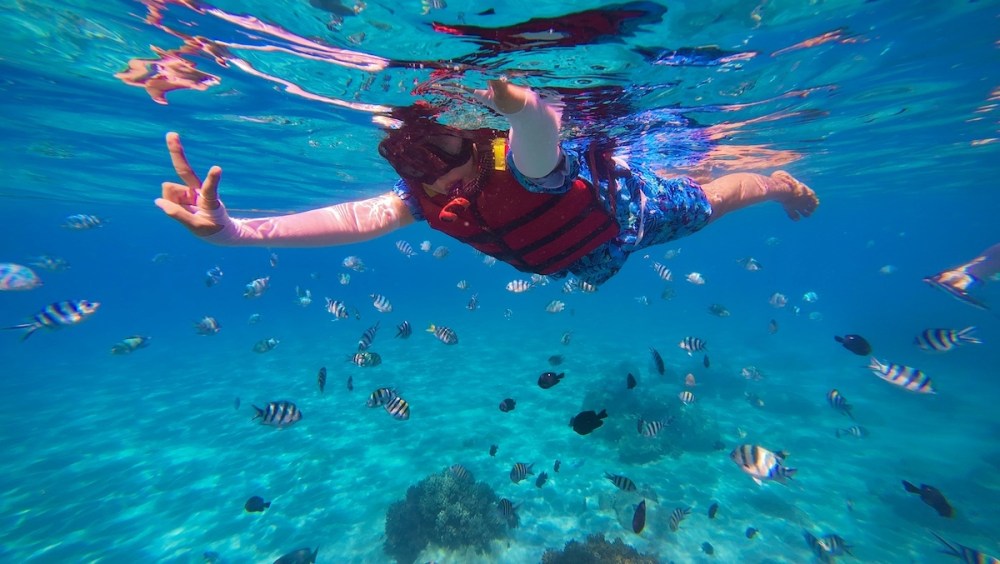
Snorkeling turns ocean activities for kids into a full sensory adventure, and several spots across the islands are calm and shallow enough for families to enjoy without booking a tour. On Oʻahu, Hanauma Bay is the gold standard for beginner snorkeling, with calm, protected waters and an on-site marine education center (reservations required). On the Big Island, Two Step offers easy lava-rock entry into clear water that’s home to turtles and abundant reef fish. On Kauaʻi, Anini Beach is shielded by an offshore reef, making it one of the calmest snorkel spots on the island for young swimmers.
For families who’d rather leave the planning, boat logistics, and gear to someone else, Iruka Hawaii offers guided snorkel tours built specifically with families in mind. On the Big Island, the Kealakekua Bay tour brings guests into one of Hawaiʻi’s most pristine marine sanctuaries, with calm, clear water and frequent dolphin and turtle sightings.
On Oʻahu, the Turtle Canyon tour is a family favorite for near-guaranteed turtle encounters in gentle conditions, while the Catamaran Dolphin Tour combines snorkeling with the chance to watch spinner dolphins in their natural habitat. Each option pairs professional guides, safety gear, and onboard ocean education, making them a great fit for first-time snorkelers or families who simply want a stress-free day on the water.
Surfing
For active families, a family-friendly surf lesson is one of the most memorable ocean activities for kids in Hawaiʻi. Lessons typically start in calm, beginner-friendly waves with patient, certified instructors who focus as much on ocean awareness and water safety as on standing up on the board. It’s a confidence-building activity that also reinforces respect for ocean conditions.
Ocean Safety for Kids
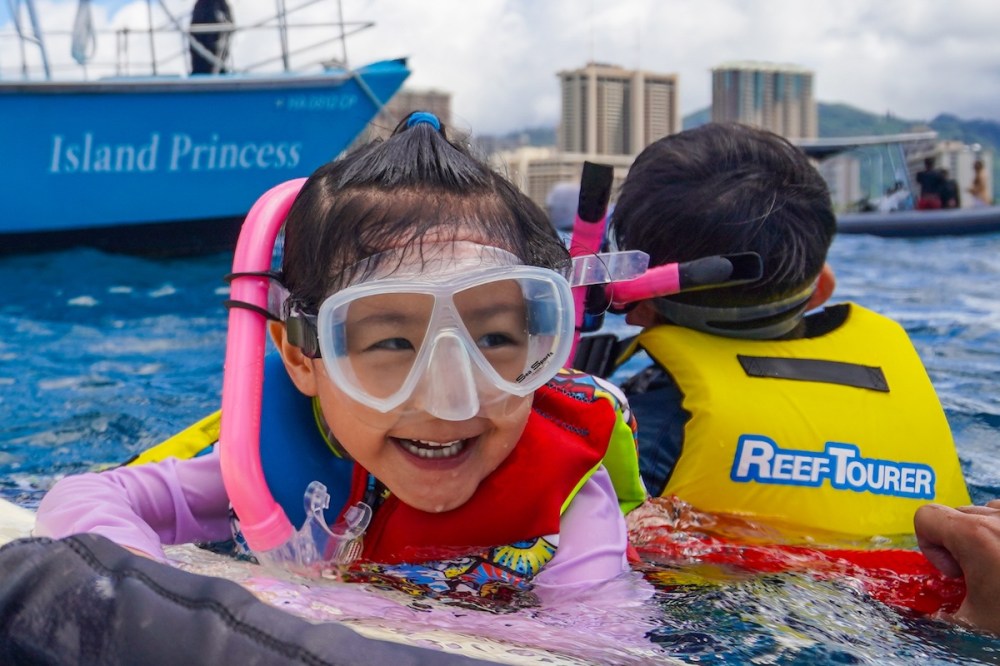
A great ocean day is a safe one. Review these basics with kids before heading to the water:
- Wear reef-safe sunscreen: mineral-based formulas protect both skin and coral reefs.
- Don’t touch turtles; honu are protected by law, and touching them causes stress and can disrupt natural behavior.
- Never chase dolphins: let dolphins approach on their own terms, both in the water and from boats.
- Look, don’t collect: shells that look empty may have a hermit crab or other animal living inside; always leave them be.
- Respect monk seals: admire from a distance of at least 50 feet, and never attempt to approach or touch one.
- Wear water shoes: they protect little feet from sharp coral, rocks, and sea urchin spines.
- Choose lifeguarded beaches: especially for younger or less confident swimmers, lifeguard presence adds an essential layer of safety.
Family Ocean Packing Checklist
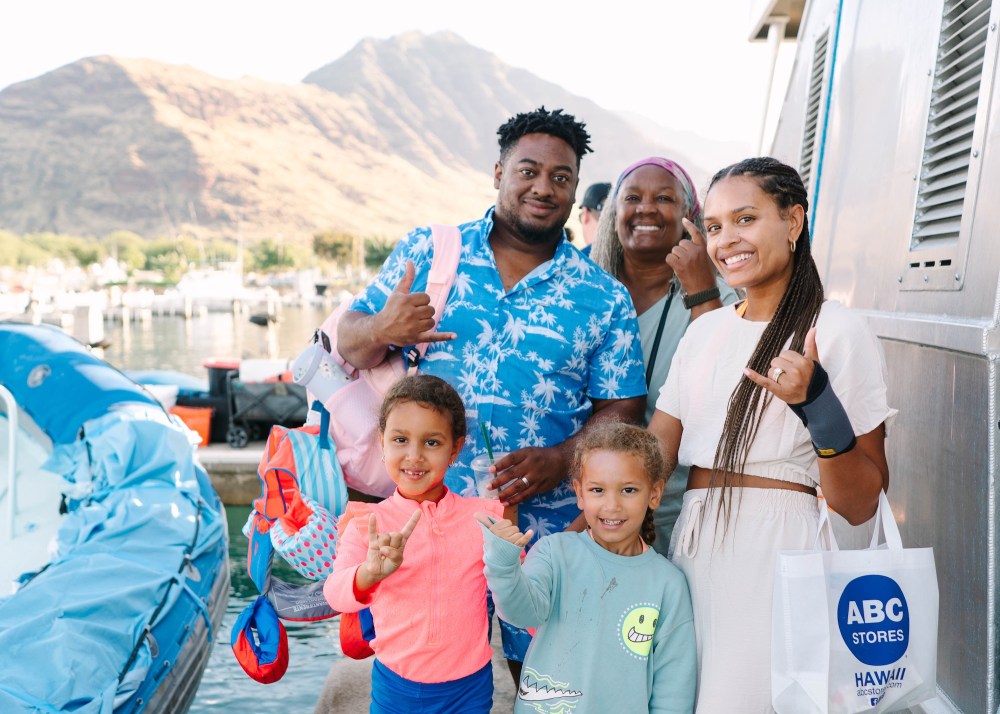
Keep this list handy before heading out the door:
✓ Rash guard
✓ Reef-safe sunscreen
✓ Water bottle filled with water, & snacks
✓ Dry clothes & towel
✓ Reef shoes
✓ Waterproof phone case
✓ Binoculars
Quick Summary: Best Ocean Activities for Kids in Hawaiʻi
| Activity | Best For | Free? |
| Reef Guardians App | All ages | ✅ |
| Children’s E-books | Young readers | Free with Email Subscription |
| Turtle Canyon Tour | First-time snorkelers | ❌ |
| Dolphin Tour | Adventurous Families | ❌ |
| Surf Lessons | Active families | ❌ |
| Ocean Awareness Program | Schools | ❌ |
| Hanauma Bay | Families | ❌ |
Take Learning Even Further
Iruka Ocean Awareness Program
For teachers, homeschool co-ops, and school groups looking to go beyond a single beach day, the Iruka Ocean Awareness Program is an immersive educational charter designed to spark genuine curiosity and deepen environmental understanding. Through guided boat tours paired with interactive, ocean-based learning, students explore how Earth’s oceans, land, and atmosphere connect as interdependent systems.
Surrounded by Hawaiʻi’s rich biodiversity, students may observe dolphins, sea turtles, coral reefs, and more — all while connecting firsthand to global issues like plastic pollution, climate change, and ocean acidification. Rather than abstract textbook concepts, students experience these challenges in vivid, personal terms.
The program is fully customizable and aligns with inquiry-based learning models, sustainability curricula, and Sustainable Development Goals (SDG) education, making it a strong fit for school trips, science classes, and environmental clubs visiting Hawaiʻi.
Plan Your Family’s Hawaiʻi Ocean Adventure
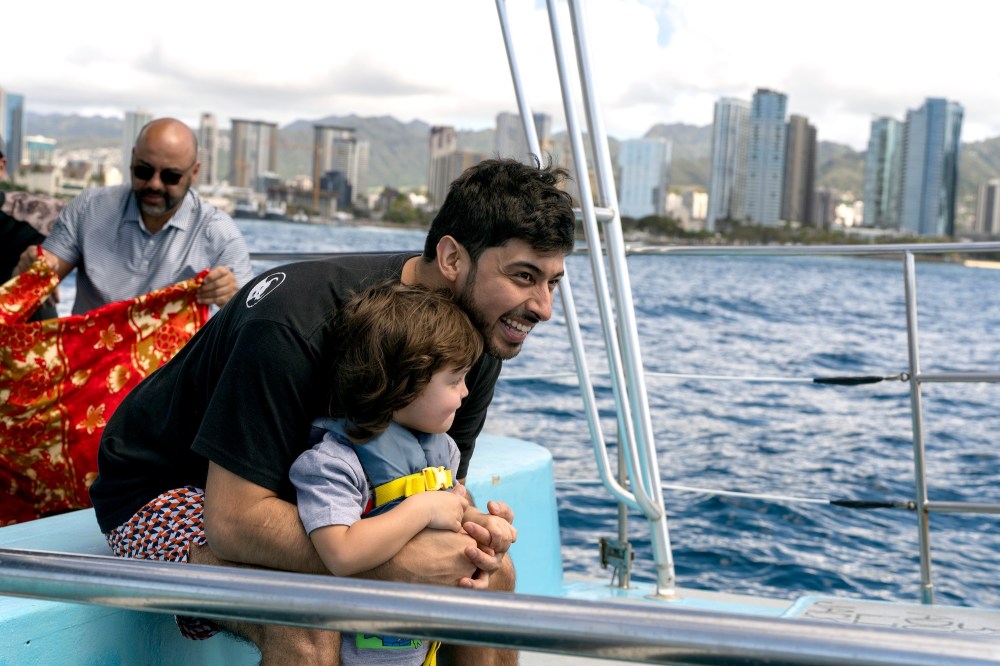
From a free bedtime e-book to a full-day guided snorkel charter, there’s an entry point for every family and every classroom. Start with the free resources to build excitement, choose a kid-friendly beach or guided tour to get in the water, and consider the Ocean Awareness Program if you’re planning a deeper, curriculum-aligned experience.
However you start, the goal is the same: turn a Hawaiʻi vacation into a lasting connection with the ocean, one honu, one tide pool, one wave at a time.
Frequently Asked Questions
What are the best ocean activities for kids in Hawaiʻi? Tidepooling at calm beaches, beginner-friendly snorkeling, family surf lessons, and guided boat tours like Iruka Hawaii’s Turtle Canyon or Kealakekua Bay tours are all excellent, age-appropriate ways for kids to experience Hawaiʻi’s marine life.
Is snorkeling safe for young kids in Hawaiʻi? Yes, at calm, shallow, protected locations such as Hanauma Bay, Ko Olina, or Anini Beach. For added safety and guidance, many families choose a guided tour with flotation gear and professional supervision.
What should kids avoid touching in the ocean? Kids should never touch sea turtles, monk seals, coral, or sea urchins, and should never collect shells that may have a living animal inside. Looking, not touching, keeps both kids and marine life safe.
Are there free resources to teach kids about Hawaiian marine life before a trip? Yes! Iruka Hawaii offers free children’s e-books with email signup, and the Reef Guardians app is a free tool for identifying marine life in real time.