
How to Get to the Captain Cook Monument | Kealakekua Bay Location
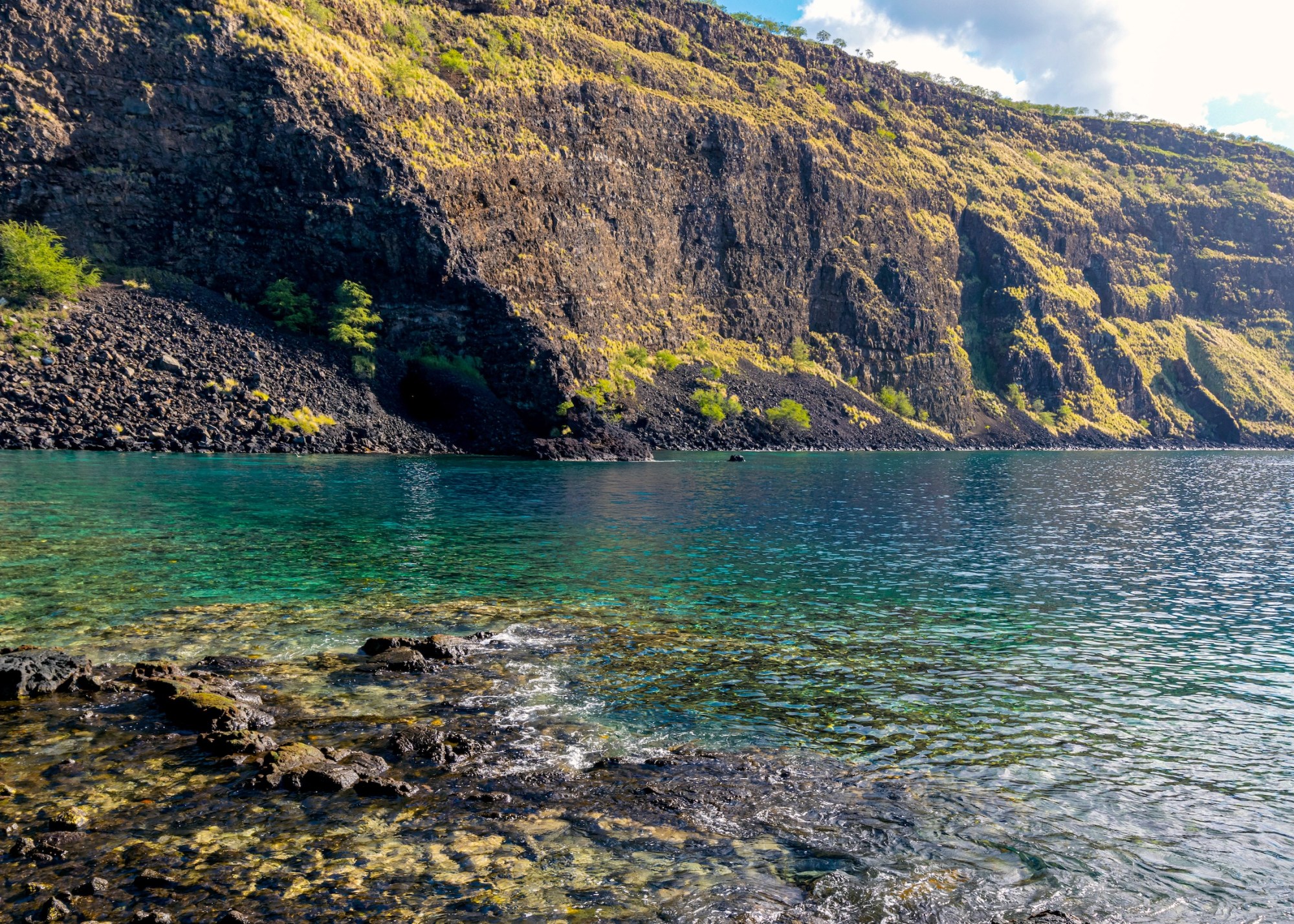
The Captain Cook Monument at Kealakekua Bay is one of the Big Island’s most recognizable historic landmarks, set against a dramatic coastline and some of Hawaiʻi’s clearest snorkeling waters. But if you’re planning a visit, there’s one important thing to know: you can’t simply drive up to the monument.
Located across the bay from the main road-accessible shoreline, the monument sits at Kaʻawaloa Cove, an area known for its vibrant coral reefs, tropical fish, and significant place in Hawaiian history.
So, how do you get to the Captain Cook Monument? And what’s the best way to experience Kealakekua Bay?
Whether you’re interested in snorkeling, spotting marine life, learning about Hawaiʻi’s past, or enjoying a day on the water, this guide covers the location, access options, and what to expect when visiting this remarkable part of the Big Island.
What Is Kealakekua Bay and the Captain Cook Monument?

Kealakekua Bay is a protected marine area on the western coast of Hawaiʻi Island, south of Kailua-Kona. Its sheltered waters, underwater coral formations, and abundance of marine life make it a popular destination for snorkeling and diving.
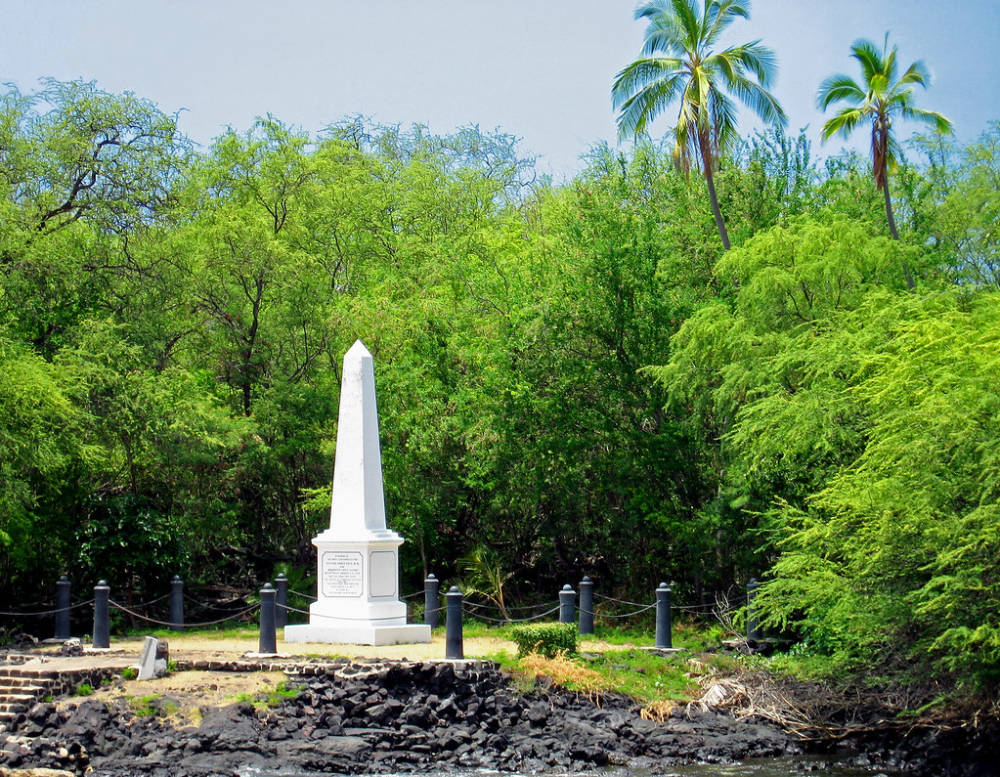
The bay is also home to the Captain Cook Monument, a white obelisk erected in 1878 near the site where British explorer Captain James Cook was killed in 1779. The monument stands along the shoreline at Kaʻawaloa Cove, across the water from the Nāpō‘opo‘o side of the bay.
Kealakekua Bay is designated as a Marine Life Conservation District, which helps protect its marine environment. The northern part of the bay, near Kaʻawaloa Cove, is particularly well known for its coral reefs and diverse fish populations.
For visitors, the combination of clear water, dramatic coastal scenery, and history makes Kealakekua Bay much more than a snorkeling stop. It’s a place to appreciate both the natural environment and the events that shaped Hawaiʻi’s history.
What Can You Do and See at Kealakekua Bay?
Kealakekua Bay offers several ways to experience the Big Island’s coastline, whether you prefer exploring underwater or taking in the scenery from a boat.
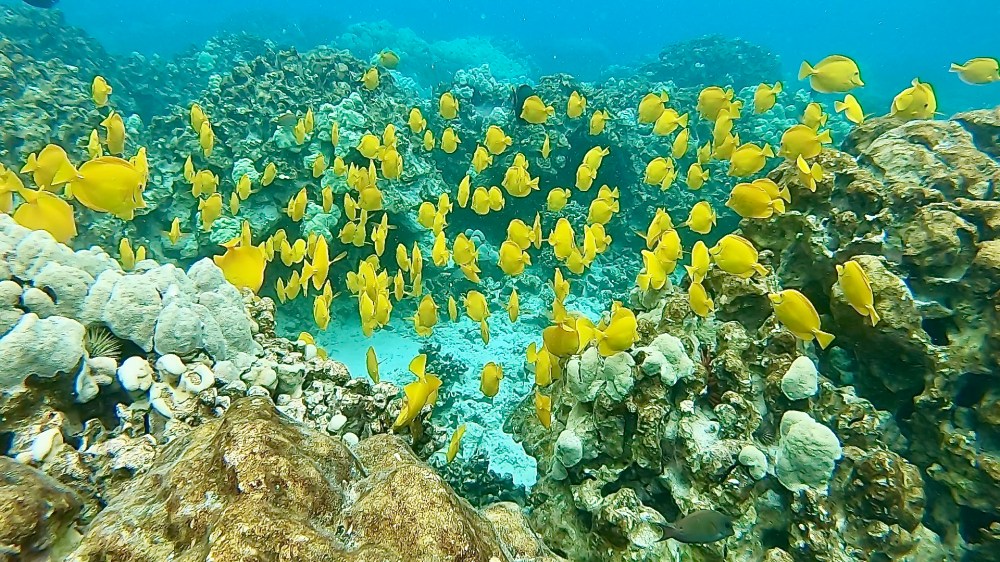
Snorkel Among Coral Reefs and Tropical Fish
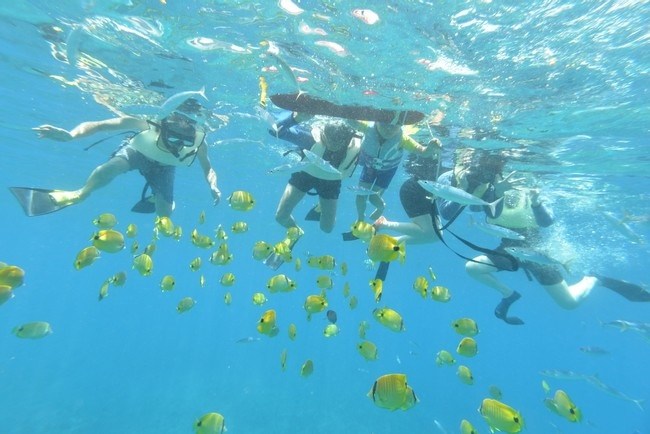
Snorkeling is one of the most popular activities at Kealakekua Bay. The waters near Kaʻawaloa Cove are known for abundant coral and a wide variety of reef fish. On a clear day, underwater visibility can be excellent, allowing you to see colorful fish moving among coral formations and rocky ledges.
Conditions vary, however, and the ocean can become dangerous during high surf or Kona storms. Check conditions before entering the water, and remember that there are no lifeguards at Nāpō‘opo‘o Beach.
Look for Wild Dolphins
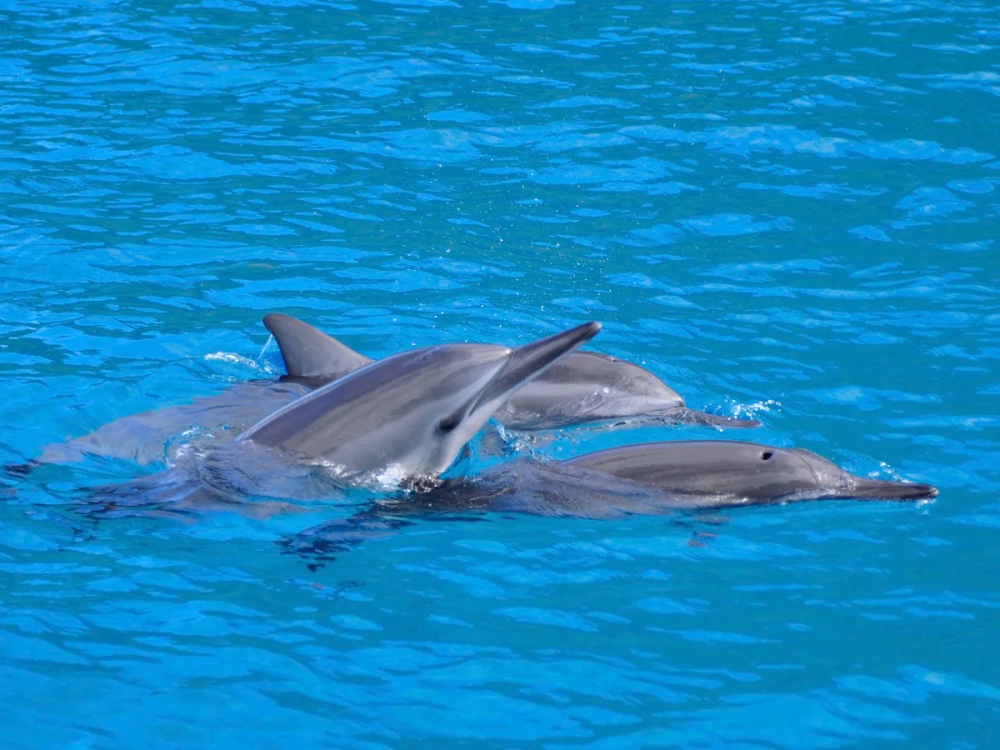
Spinner dolphins are sometimes seen inside Kealakekua Bay. Seeing dolphins in their natural habitat can be a memorable part of a day on the water, although sightings are never guaranteed.
If you encounter dolphins, observe them responsibly. Hawaiian spinner dolphins are protected, and federal regulations prohibit swimming with, approaching, or remaining within 50 yards of them. Enjoy watching from a respectful distance rather than attempting to approach or follow them.
Admire the Captain Cook Monument
The white monument is a prominent historical landmark at Kaʻawaloa Cove. Visitors on the opposite shore can view it across the bay, while those who arrange appropriate access can explore the area near the monument.
Keep in mind that the monument stands in a culturally and historically significant location. Treat the surrounding land with respect, stay out of restricted or sensitive areas, and avoid disturbing archaeological features.
Enjoy the Coastal Scenery
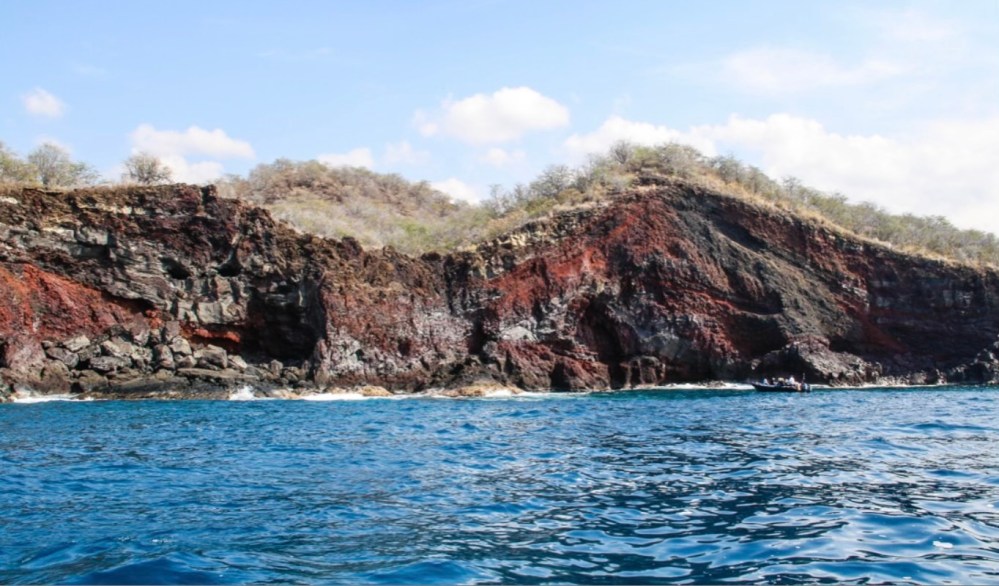
The bay is framed by steep green slopes, rugged lava formations, and the dramatic northern cliffs known as Pali Kapu o Keōua. These cliffs contain lava tubes, including caves associated with ancient Hawaiian burials.
A boat tour offers a different perspective on this landscape, allowing you to take in the coastline from the water while exploring the bay.
What Is the Cultural and Historic Significance of Kealakekua Bay?
Kealakekua Bay was an important center of Hawaiian life long before the arrival of Captain James Cook. In the 1700s, the surrounding settlements of Kaʻawaloa and Nāpō‘opo‘o were significant places for Hawaiian royalty. The nearby land features an ancient Heiau (sacred temple) and royal burial caves.
The bay became a pivotal location in Hawaiian history when Cook arrived in January 1779 during his second voyage to the islands. His crew documented aspects of Hawaiian life, creating records that later became important sources for historians studying early encounters between Hawaiians and Europeans.
However, these encounters were not simply an exchange between cultures. Tensions developed between Cook’s crew and local Hawaiians, and Cook was killed at Kaʻawaloa Cove on February 14, 1779.
When visiting, remember that this is more than a scenic attraction. It is a living cultural landscape with deep significance to Native Hawaiians. Respect posted guidance, do not enter sacred structures, and approach the area with an appreciation for the people and history connected to it.
Where Is Kealakekua Bay Located?
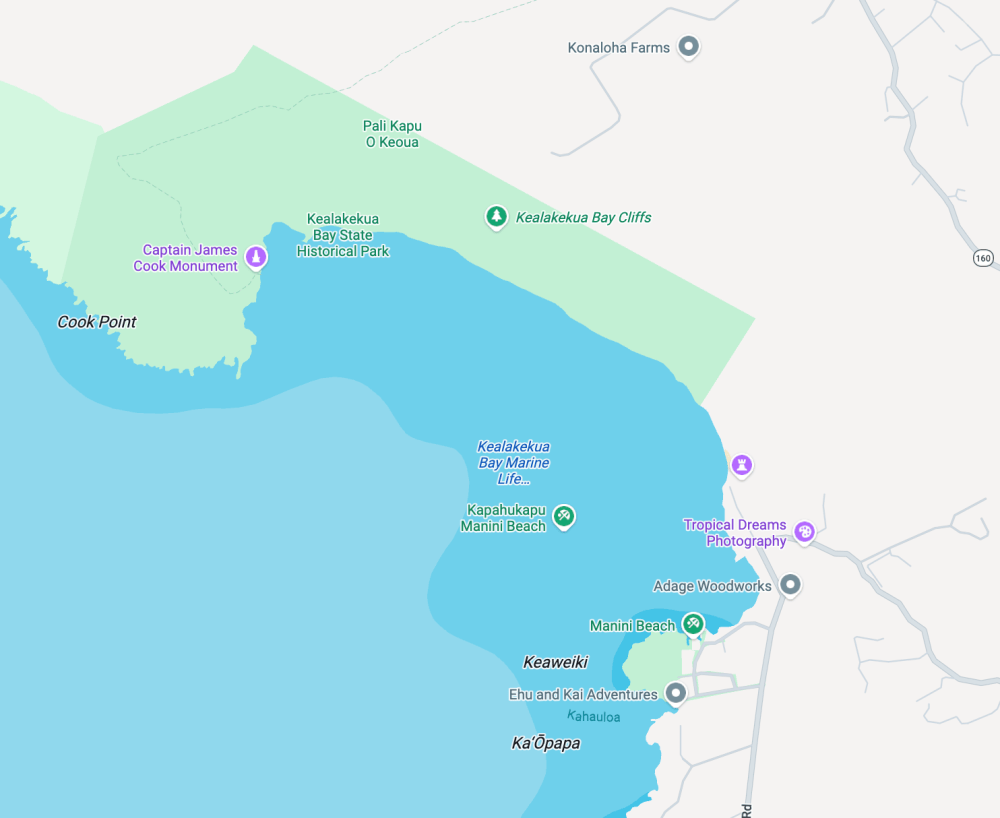
Kealakekua Bay is on the western coast of Hawaiʻi Island, in the South Kona district, near the village of Captain Cook. The Captain Cook Monument is located across the water at Kaʻawaloa Cove.
How Far Is Kealakekua Bay From Kona?
Kealakekua Bay is about 13 miles south of Kailua-Kona, or approximately a 30-minute drive depending on your starting point and traffic.
The drive takes you along the Kona coast and into South Kona. If you’re driving from Kailua-Kona, you’ll generally follow Highway 11 south before turning toward Nāpō‘opo‘o. Allow extra time for the drive, parking, and any activities you have planned.
It’s important to distinguish between visiting the bay and reaching the monument itself. Driving to Nāpō‘opo‘o provides access to the shoreline and a distant view across the water, but it does not bring you directly to the monument.
Can You Walk or Drive to the Captain Cook Monument?
You cannot drive directly to the Captain Cook Monument. Vehicle access is limited to the Nāpō‘opo‘o side of Kealakekua Bay, while the monument is located across the water at Kaʻawaloa Cove.
There are a few ways to plan your visit:
Option 1: Visit Nāpō‘opo‘o Beach
You can drive to Nāpō‘opo‘o Beach to enjoy the shoreline, facilities, and views across the bay toward the monument. This is the simplest option if you want to see the area without undertaking a strenuous hike or arranging a boat excursion.
However, you’ll have to stay on the opposite side of the bay from the monument itself.
Option 2: Hike the Historic Kaʻawaloa Trail
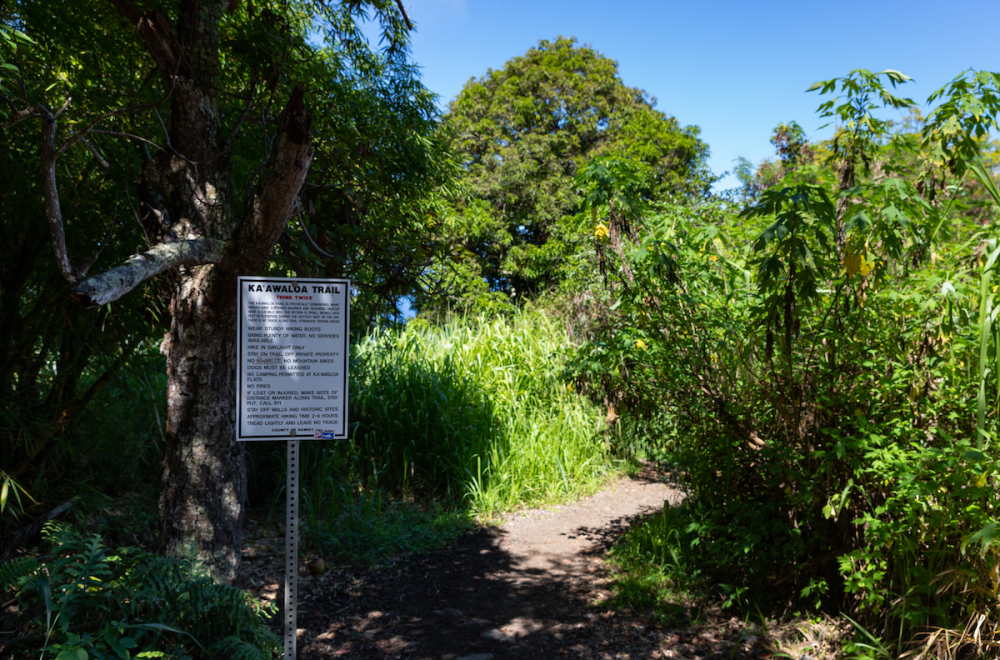
The historic, 3.8-mile Kaʻawaloa Trail is a land-access route associated with the monument. Hiking in this area can be physically demanding, with steep terrain, sun exposure, and limited facilities. Trail access and conditions may change, so verify current guidance with Hawaiʻi State Parks before setting out.
Do not assume that a route shown on an online map is open, maintained, or suitable for casual visitors. Bring adequate water, snacks, sun protection, and appropriate footwear, and be prepared to spend at least a few hours on the journey.
Option 3: Arrange Permitted Water Access
Another option is to reach the bay by water. Guided kayak excursions and boat tours can provide access to the area, depending on their route and permitted activities.
Hawaiʻi State Parks requires vessels transiting Kealakekua Bay to have the appropriate permit. Kayak landing restrictions also apply at Kaʻawaloa Flats, so check the current rules and the details of any guided excursion before booking.
For visitors who primarily want to experience the bay’s marine life, a guided boat tour can be a convenient alternative to navigating the access logistics independently.
Is It Possible to Swim to Kealakekua Bay?
While you can swim in Kealakekua Bay, swimming across the bay to reach the Captain Cook Monument is not recommended. Distance, changing ocean conditions, fatigue, and boat traffic all deserve serious consideration. There are no lifeguards at Nāpō‘opo‘o Beach.
If your goal is to snorkel near the monument and explore the reefs, consider arranging a suitable boat excursion rather than attempting a long open-water swim.
Always assess ocean conditions before entering the water, never underestimate currents or distance, and avoid swimming when conditions are unsafe.
What Is the Best Way to Experience Kealakekua Bay?
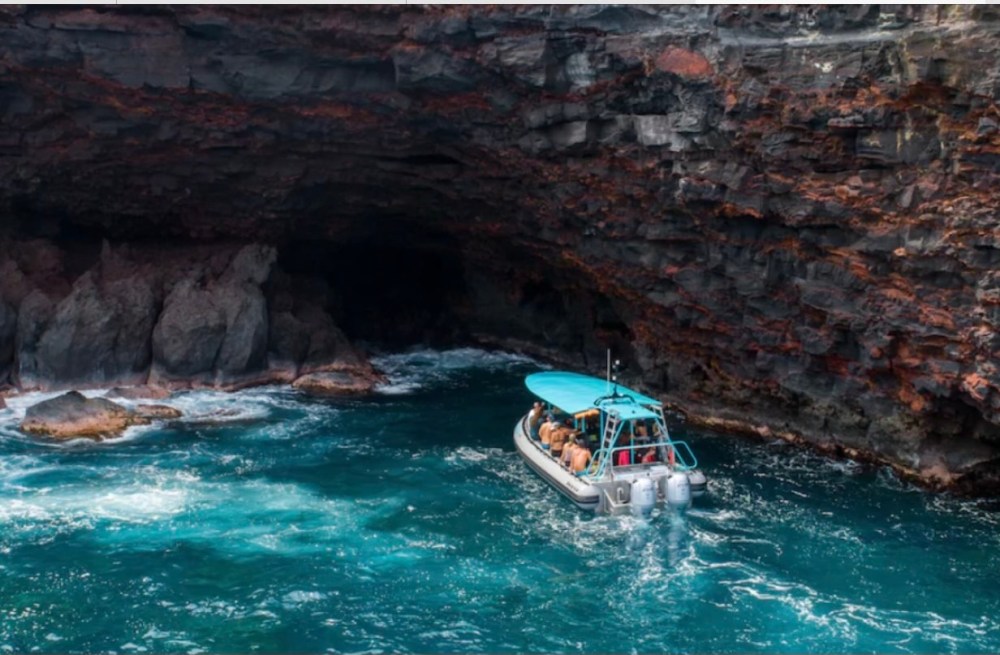
The best way to visit Kealakekua Bay depends on what you want to do.
If you’re primarily interested in the historic landscape, you can visit Nāpō‘opo‘o and learn about the area from the accessible shoreline. If you’re an experienced hiker, you may want to trek on land.
But if your goal is to experience the bay’s clear water, coral reefs, marine life, and coastline in one outing, a guided boat tour can make the experience simpler and more enjoyable.
You won’t have to plan a challenging hike or navigate the logistics of accessing the monument on your own. Instead, you can spend your time enjoying the scenery and exploring the water.
Explore Kealakekua Bay by Speedboat With Iruka Hawaii
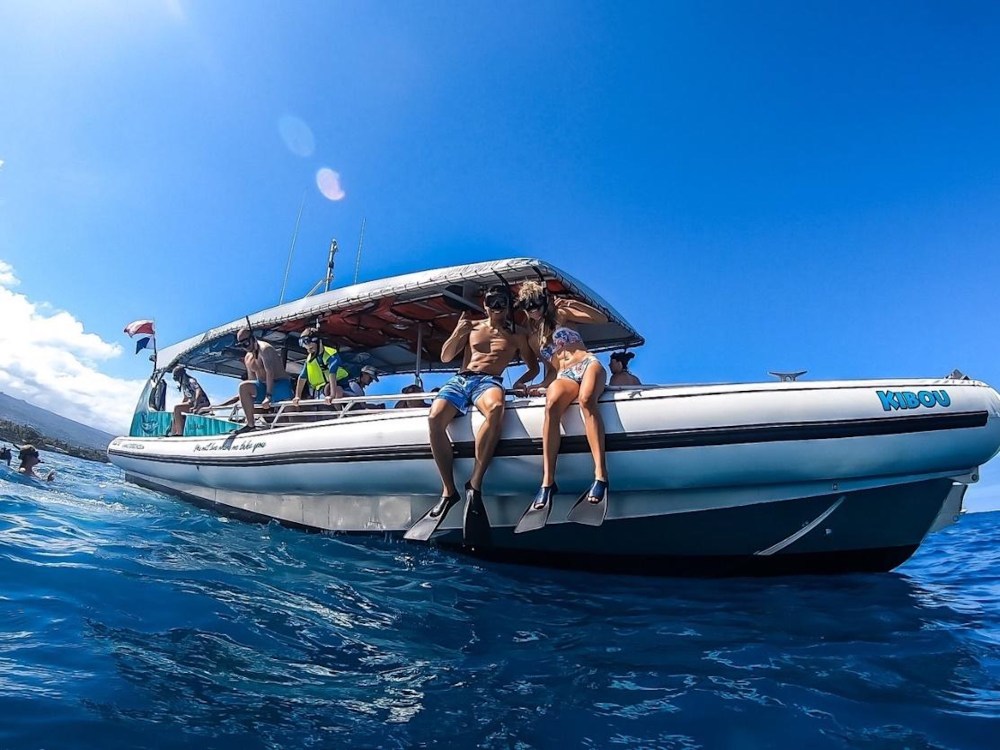
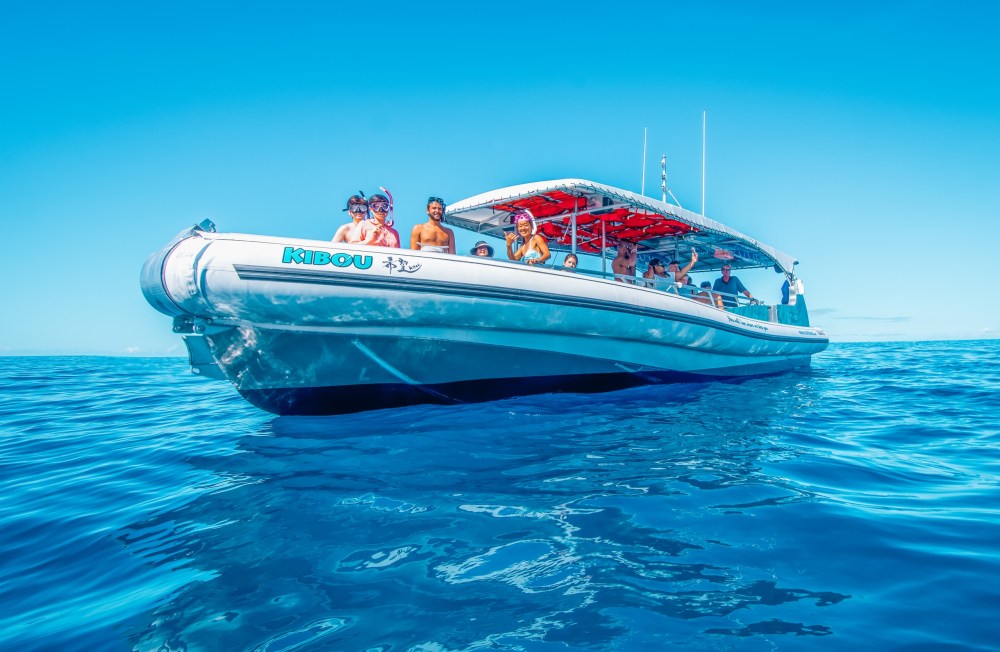
Iruka Hawaii offers a three-hour speedboat tour of Kealakekua Bay that combines several highlights of the South Kona coast in one trip.
The experience includes:
- Snorkeling: Explore the bay’s underwater environment and look for colorful reef fish and coral.
- Dolphin watching: Keep an eye out for wild dolphins along the coast. Sightings are not guaranteed, and all wildlife encounters should be enjoyed responsibly.
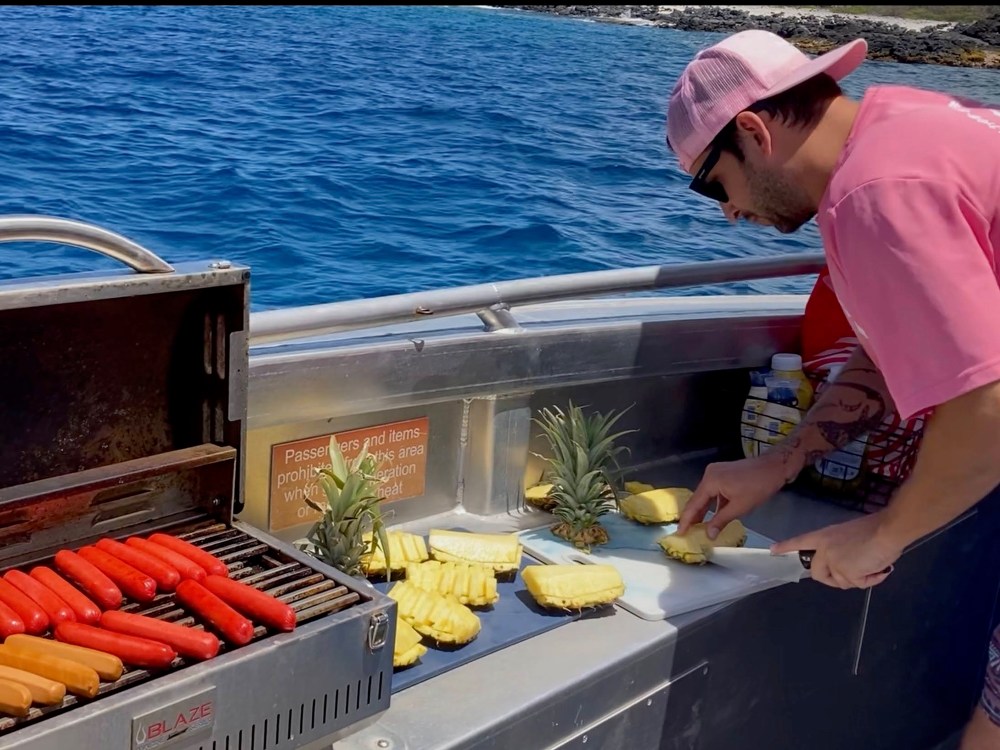
- Lunch grilled onboard: Enjoy a meal prepared on the boat while taking in the surrounding ocean scenery.
- A scenic coastal adventure: Experience the coastline from the water and discover why Kealakekua Bay is one of the Big Island’s most memorable marine destinations.
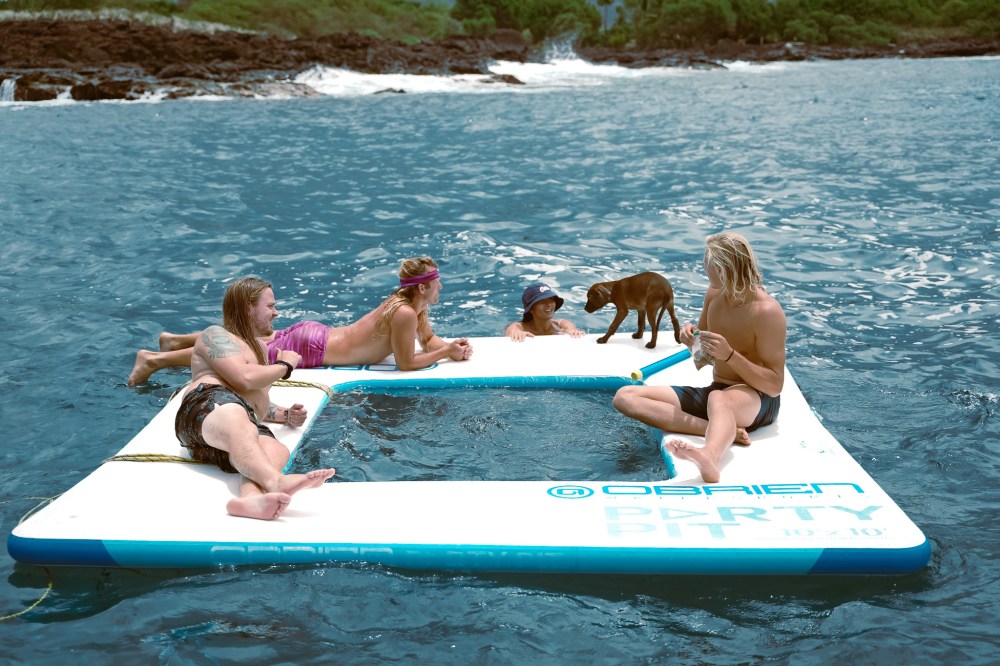
Rather than organizing several separate activities, you can combine snorkeling, sightseeing, and the possibility of seeing wild dolphins in one guided outing.
If you want to experience Kealakekua Bay without making the trip all about reaching the monument on foot, a boat tour offers another way to appreciate this remarkable place.
Ready to Dive In? Book Your Kealakekua Bay Tour With Iruka Hawaii!
Kealakekua Bay brings together some of the Big Island’s most extraordinary natural and historical features. From vibrant reefs and tropical fish to the Captain Cook Monument and the surrounding stunning landscape, there is plenty to discover both above and below the water.
Understanding the location and access options before you go helps you choose the best experience for you.
For a memorable day exploring the coast, join Iruka Hawaii on a three-hour Kealakekua Bay speedboat tour featuring snorkeling, dolphin watching, and lunch grilled onboard.
Book your tour with Iruka Hawaii and discover the beauty of the Kona coast from the water:
Frequently Asked Questions About Kealakekua Bay and the Captain Cook Monument
Is Kealakekua Bay worth visiting?
Absolutely! Kealakekua Bay is known for its clear water, coral reefs, tropical fish, coastal scenery, and historical significance. It offers opportunities for snorkeling, diving, sightseeing, and learning about an important period in Hawaiian history.
Is Kealakekua Bay good for snorkeling?
Yes! The bay is a Marine Life Conservation District, and Kaʻawaloa Cove is especially well known for coral and fish diversity. It inspired the reef in Finding Nemo!
Can you see dolphins at Kealakekua Bay?
Yes, spinner dolphins can be commonly seen inside the bay, though sightings are not guaranteed.
Do you need a permit to kayak at Kealakekua Bay?
Yes, you must have the appropriate State Parks permit if traveling by kayak. If you rent a kayak, confirm that the vessel is properly permitted. Landing restrictions apply at Kaʻawaloa Flats, so check current rules before planning your route.
Are there restrooms at Kealakekua Bay?
Restrooms and showers are available at Nāpō‘opo‘o Beach Park. Facilities are limited elsewhere, and there are no restrooms along the historic Kaʻawaloa Trail. Plan accordingly if you’re hiking or taking a water-based excursion.
Is there an entrance fee for Kealakekua Bay State Historical Park?
There is no entrance fee for Kealakekua Bay State Historical Park, but a permit may be required if visiting on your own.
When is the best time to visit Kealakekua Bay?
Conditions vary throughout the year and from day to day. Plan around the forecast, ocean conditions, and tour schedule. Before snorkeling or swimming, check current conditions and avoid entering the water during unsafe surf or storm conditions.
Can you visit the Captain Cook Monument without a boat tour?
Yes, a guided boat tour is a great option for experiencing the surrounding marine environment.