
How to Prepare for a Manta Ray Snorkel
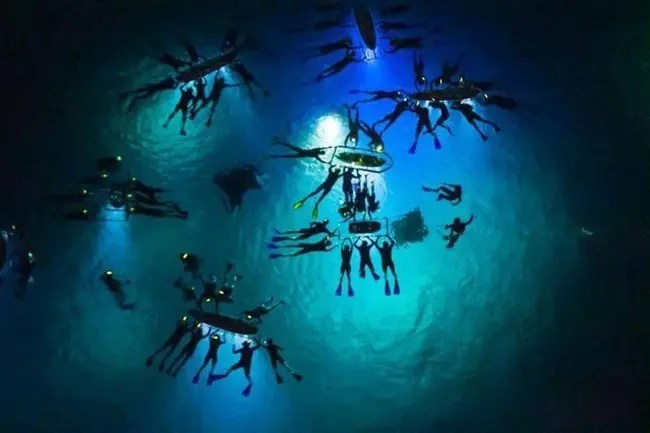
Manta ray snorkeling off the Kona coast is consistently rated one of the top bucket-list experiences in Hawaii, and for good reason. On a good night, you’ll float face-down in dark water while animals the size of a car glide silently beneath you, drawn to the lights by the plankton they’ve come to feed on. It’s unlike anything else.
But like any ocean experience, a little preparation makes an enormous difference. Here’s everything you actually need to know before you show up at the dock.
Before You Leave for the Tour
Use the restroom before boarding. This is the single most practical piece of advice we can offer. Once you’re in the water holding onto the raft, you’re there for the duration of the swim. There are no bathroom breaks mid-experience, and you won’t want to pee in your wetsuit. Plan accordingly.
Eat a real dinner before you go. A light snack is provided on board, but this is not a dinner tour. You’ll be in the water, using energy, and you’ll be more comfortable and more present if you’ve had a proper meal beforehand. Aim to eat about an hour or more before your departure time.
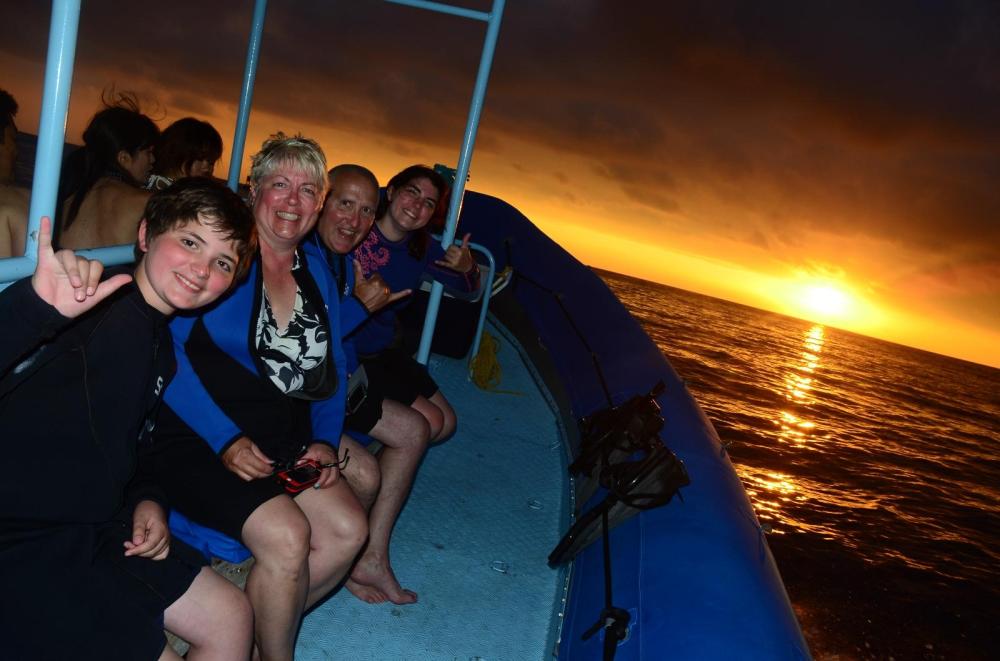
Bring warm clothes for the boat ride back. This one surprises people who pack for a Hawaii evening and assume it’ll be warm all night. The swim itself is comfortable (especially in a wetsuit), but the return trip can sometimes get a little chilly. You’ll be wet, on an open-air vessel, moving at speed back to shore. Pack a warm layer, dry clothes, or a sweatshirt specifically for the ride home. Warm cocoa is served after the swim and helps, but dry warm clothes are what you’ll really want.
What to Wear and Pack
Swimsuit. Wear it under your clothes. There’s no changing room at check-in; you’ll put your wetsuit on right over your swimsuit while waiting for the boat. No need to be shy! Everyone’s doing the same thing.
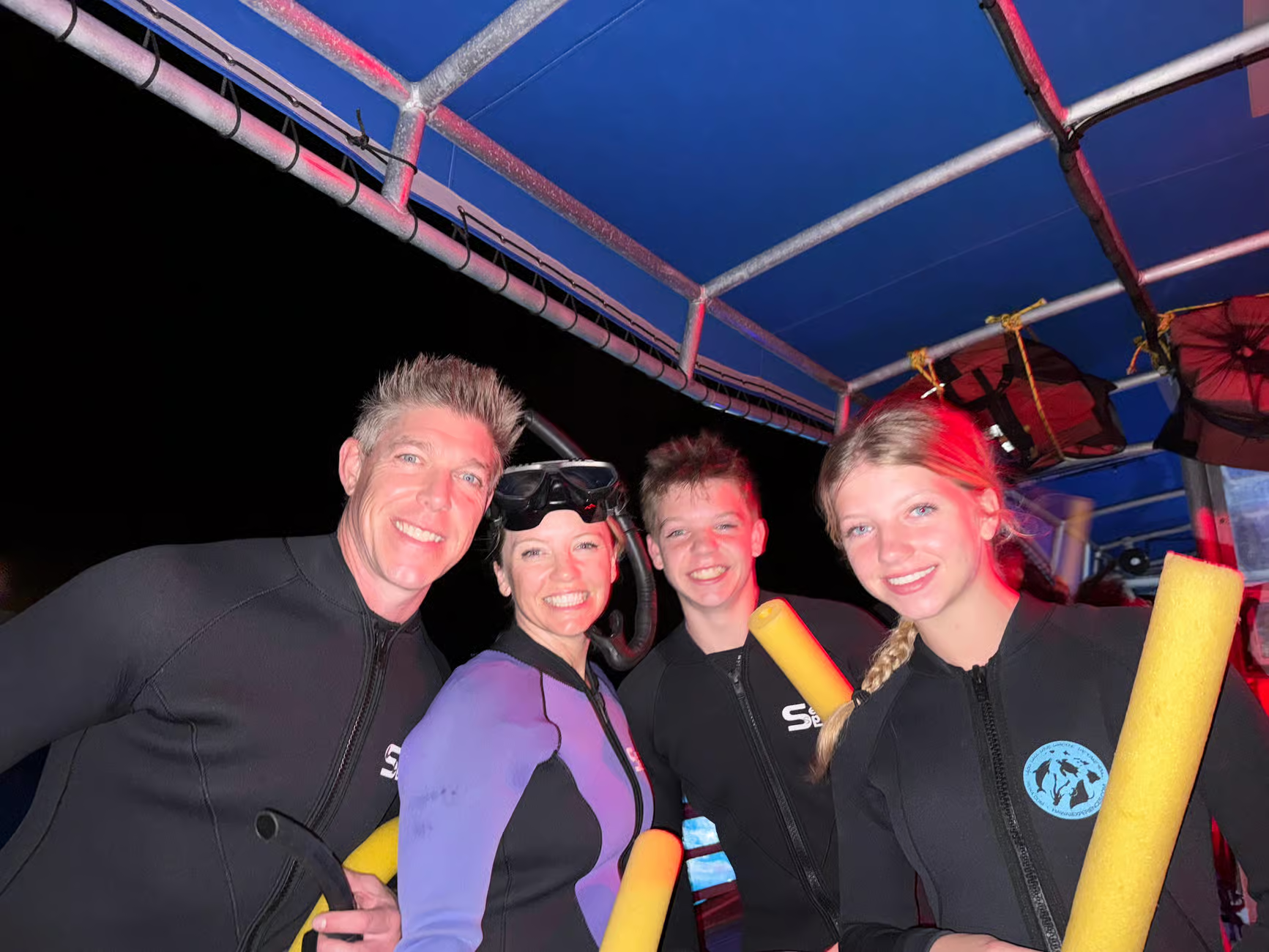
Get the wetsuit. Even in summer, the water at night is cooler than you’d expect, and you’ll be stationary for most of the swim, not generating body heat the way you would if you were actively swimming around. A wetsuit makes the difference between spending the whole experience focused on how cold you are and actually being present for what’s happening around you. It’s an easy decision.
Putting on the wetsuit: Check before you zip up that the logo is on the front and the seams are on the inside. It’s easier than it sounds to put it on inside out in the dark.
Towel. For after the swim. You’ll want it.
Snorkel gear. It’s provided for you, but if you have your own and prefer it, you’re welcome to bring it.
Your phone. Leave it in your bag for most of the experience. You’ll be asked not to use phones or camera flashes during the swim because manta rays are highly sensitive to erratic light sources. Rogue lights can distract and disrupt them, and it affects the experience for everyone on the raft. There is often a designated photographer on tours (subject to availability) with photo packages available for purchase afterwards. No-flash options like GoPros also work well.
Motion sickness medication. If you’re at all prone to seasickness, take it before you board, not after. The boat ride out is generally smooth, but many people find this helpful.
What to Expect

Manta ray snorkeling is typically done at night when the manta rays come to feed on plankton. The water is usually calm at night, so it’s a great time to snorkel. You will be stationary for most of the excursion. You will hold on to the raft, and your feet will stay afloat with a noodle to keep you from accidentally kicking the manta rays. Imagine you’re lying on top of the water rather than hanging vertically from the raft. Manta rays have a mucus coating that protects them from infection, so for the manta rays’ safety, it’s crucial to keep your distance.
You’ll be sharing the raft with other guests. Give your neighbors space and be mindful of your fins.
Bright lights mounted beneath the raft attract plankton to the surface, and the plankton attracts the manta rays. It’s a remarkably simple and low-intervention setup. The lights do the work, and the mantas come to feed. You’re essentially floating above a dinner table they’ve been visiting for years.
Once you’re in the water, you’ll likely see a few manta rays swimming around. Here’s what most people aren’t prepared for: the size. Adult reef manta rays in Kona typically measure 10 to 14 feet across (roughly the width of a car) and can weigh up to 3,000 pounds. When one glides directly beneath you in the light, the scale of it is genuinely stunning.
The good news: manta rays are completely harmless to humans. Unlike stingrays, they have no barbed stinger on their tail. They’re filter feeders that eat exclusively tiny plankton. They have no mechanism for biting or harming people.
Just be sure to keep your distance and don’t touch them. It’s against the law. Manta rays have a protective mucus coating on their skin that guards against infection. Even well-intentioned contact can damage this coating and harm the animal. Do not touch them, and do not attempt to chase or follow them if they move away from the raft. Observe and let them come to you.
The manta rays will often swim right up to you, so you’ll have a chance to get up close and personal. They’re truly amazing creatures, and you’ll never forget your experience swimming with them. Swimming with manta rays at night in Hawaii is rated as a top bucket-list activity for many travelers.
If you’re worried about sharks, there’s no need to be. The manta swim takes place in shallow, protected bays, not open ocean. Shark sightings are rare, and when they do occur, they’re typically small reef sharks that are far more interested in keeping their distance from a large group of humans than anything else. The crew monitors conditions closely. Manta rays are actually known to be a natural deterrent to larger sharks. This is genuinely not something to worry about.
How to Behave Around Manta Rays

Here are a few tips on how to behave around manta rays:
- Be respectful: Manta rays are wild animals, so it’s important to be respectful of them. Hands to yourself, don’t touch them or try to chase them.
- Keep your distance: Manta rays are large animals, so it’s important to keep your distance. Give them plenty of space so they don’t feel threatened.
Quick Checklist
- Eat dinner before you go
- Use the restroom before boarding
- Wear your swimsuit under your clothes
- Renting the wetsuit is recommended
- Check your wetsuit: logo front, seams inside
- Pack warm, dry clothes and a towel for the boat ride home
- Leave your phone in your bag during the swim
- Take seasickness medication before boarding if needed
- Enjoy the experience: Manta ray snorkeling is an amazing experience, so relax and enjoy it!
Are you ready to experience the magic of swimming with manta rays?
Check out our Kona tours to learn more about our sunset and moonlight manta ray snorkeling tours and to book your trip today!