
Why You Should Avoid Captive Dolphin Shows in Hawaii

For many travelers visiting Hawaiʻi, seeing dolphins up close is a dream experience. These intelligent, social animals are captivating in every sense, and it’s natural to want a meaningful connection with them. But when you choose to experience dolphins, the decision you make matters for both you and the dolphins.
While captive dolphin encounters are often marketed as safe, educational, and family-friendly, they come with important trade-offs that many visitors don’t fully realize. In contrast, wild dolphin encounters offer something far more powerful: an authentic experience rooted in respect, freedom, and natural behavior.
Dolphins Are Meant to Roam the Open Ocean
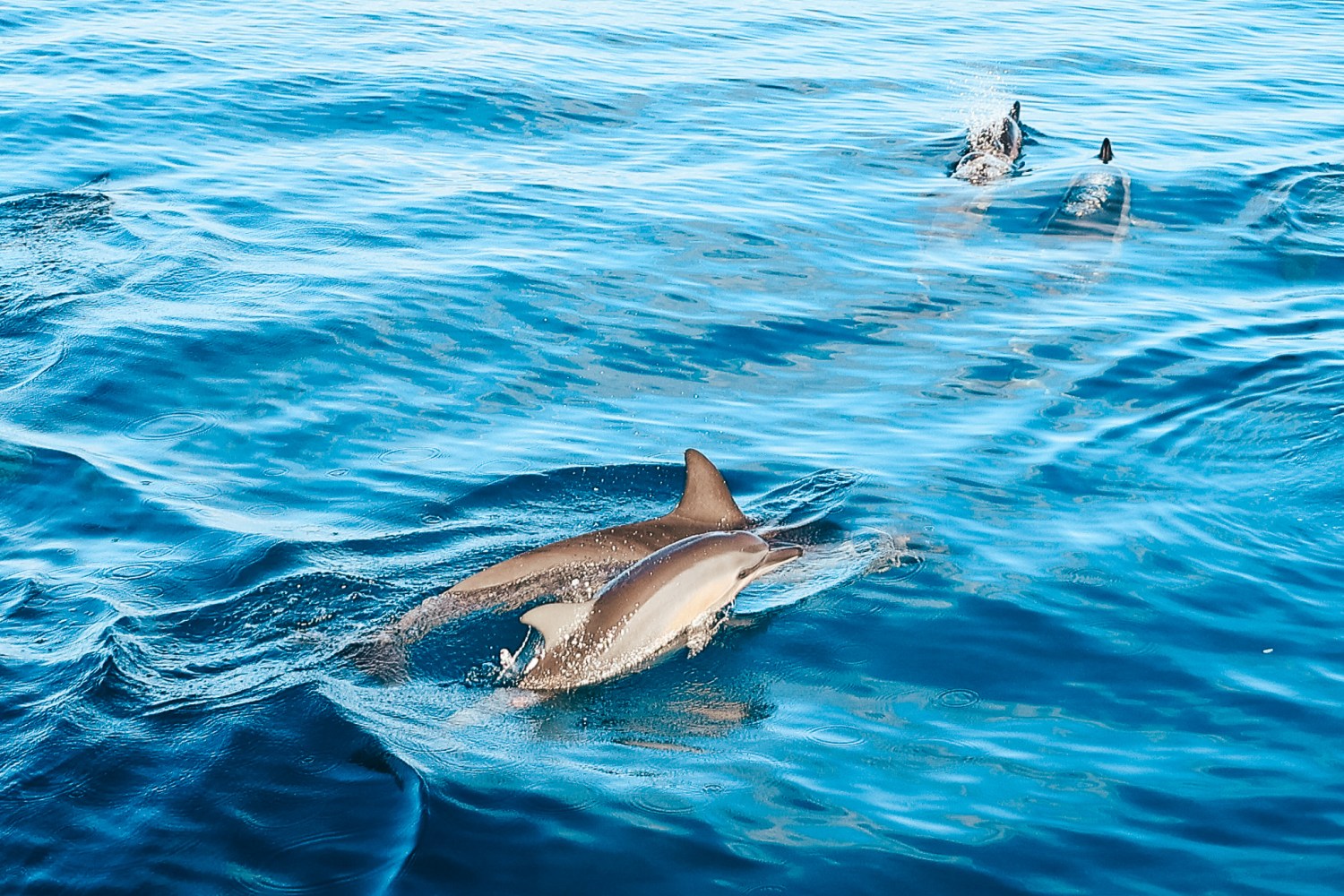
In the wild, dolphins are constantly on the move. Many species travel dozens of miles each day, navigating vast stretches of ocean in search of food, social interaction, and stimulation. Their environment is dynamic and ever-changing, from deep offshore waters to coastal resting areas. And this movement is essential to their physical and mental well-being.
Captivity, by comparison, drastically limits this natural behavior. Even the largest enclosures are only a tiny fraction of the space dolphins would typically inhabit. The difference is not just about size, but about complexity. The open ocean offers depth, currents, prey, and endless variety. A contained environment, no matter how well maintained, simply cannot replicate that.
For an animal designed to explore, confinement changes everything.
Complex Social Lives Reduced to Artificial Groups
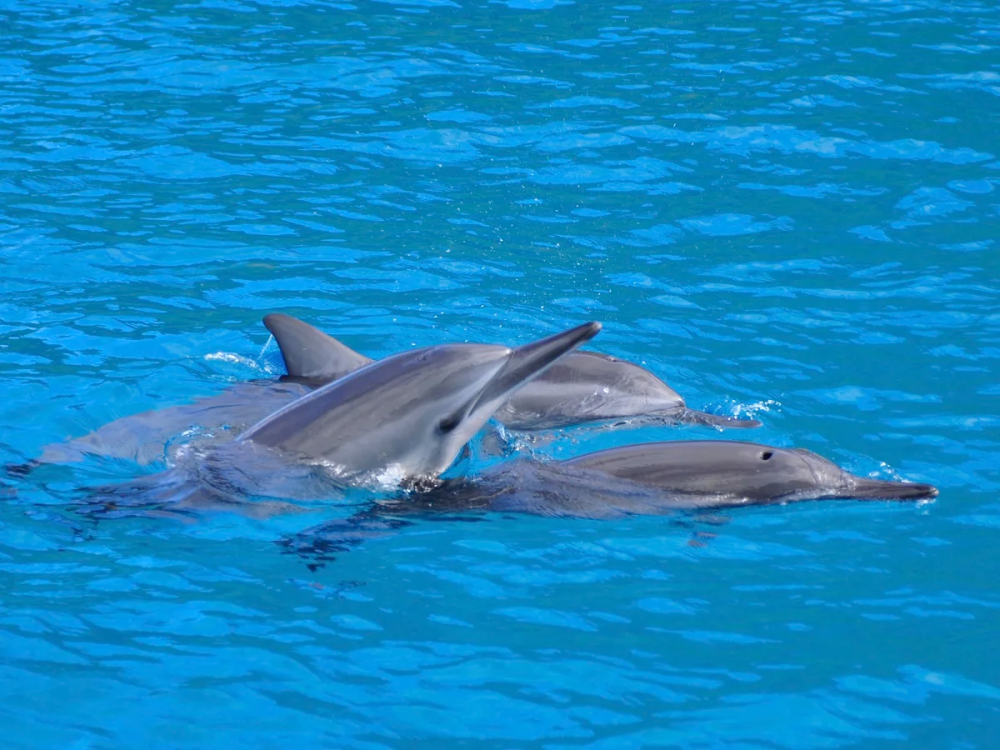 Dolphins are deeply social animals with rich emotional lives. In the wild, they form pods that can range from a few individuals to hundreds. These pods are not random; they are built on relationships, communication, and shared behaviors that develop over time.
They cooperate while hunting, care for one another’s young, and communicate through a sophisticated system of clicks and whistles. These social bonds are essential to their well-being.
In captivity, dolphins are often grouped together based on logistical needs rather than natural compatibility. They may be separated from family members or placed with unfamiliar individuals. Over time, this can lead to stress, tension, or withdrawal. The absence of natural social structures removes a fundamental part of what makes dolphins who they are.
The Hidden Impact of Human Interaction
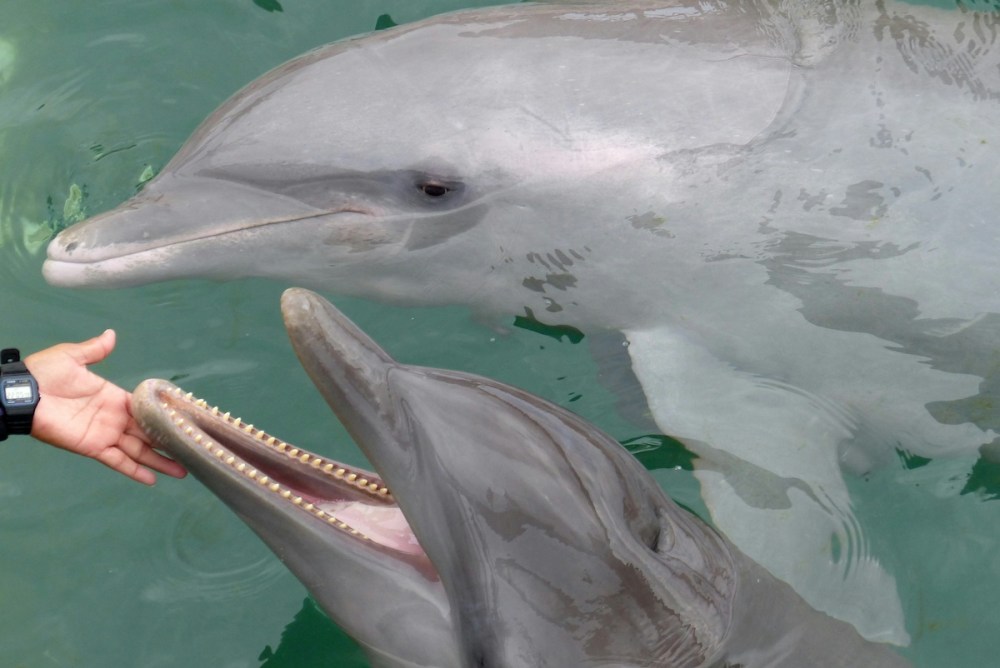
One of the biggest draws of captive dolphin encounters is the opportunity for close contact, such as touching, holding, or even “kissing” a dolphin for a photo. While these interactions may seem harmless or even magical, they come with real consequences.
Direct contact between humans and dolphins allows for the transmission of bacteria and viruses in both directions. Dolphins have sensitive skin and immune systems, and repeated exposure to human interaction can increase the risk of illness. Beyond physical health, there are behavioral impacts as well.
Dolphins in captive environments are often required to participate in repeated interactions throughout the day. This forced engagement can be stressful, leading to changes in behavior, increased aggression or withdrawal, and even physical issues such as ulcers. Over time, the constant demand for interaction can disrupt social bonds between dolphins, further affecting their well-being.
What may feel like a special moment for a guest can, in reality, be a source of ongoing stress for the animal.
Life Expectancy and Overall Well-Being
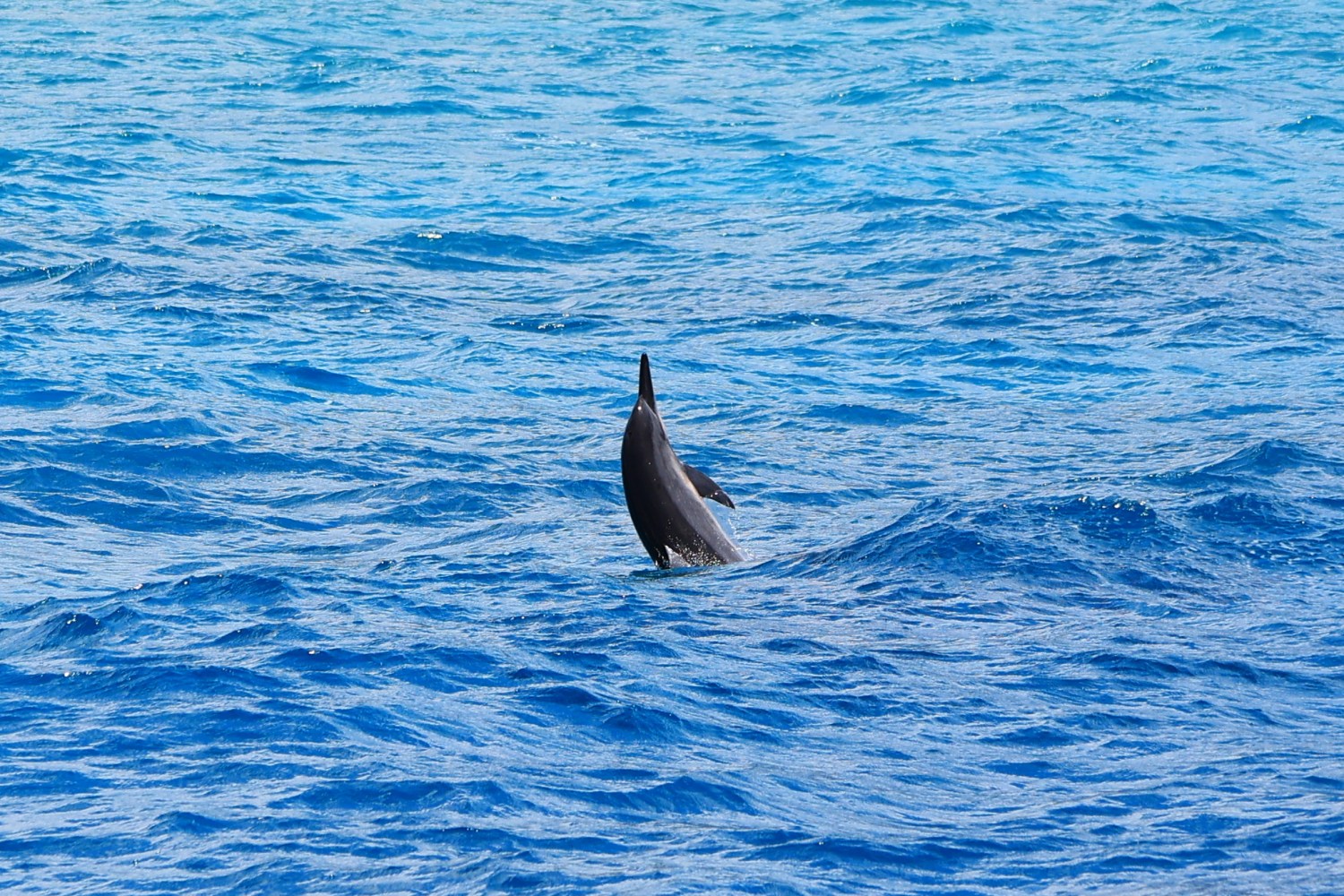
There has been ongoing discussion and research surrounding the lifespan of dolphins in captivity versus the wild. While care standards have improved in some facilities, captivity still presents challenges that don’t exist in the ocean.
In the wild, dolphins benefit from natural movement, diverse diets, social freedom, and environmental stimulation. All of which contribute to long-term health. In captivity, even with attentive care, the lack of these natural conditions can impact overall well-being.
More importantly, quality of life extends beyond lifespan alone. The ability to choose where to go, who to be with, and how to behave is something that cannot be replicated in a controlled environment.
What Many Visitors Notice After the Experience
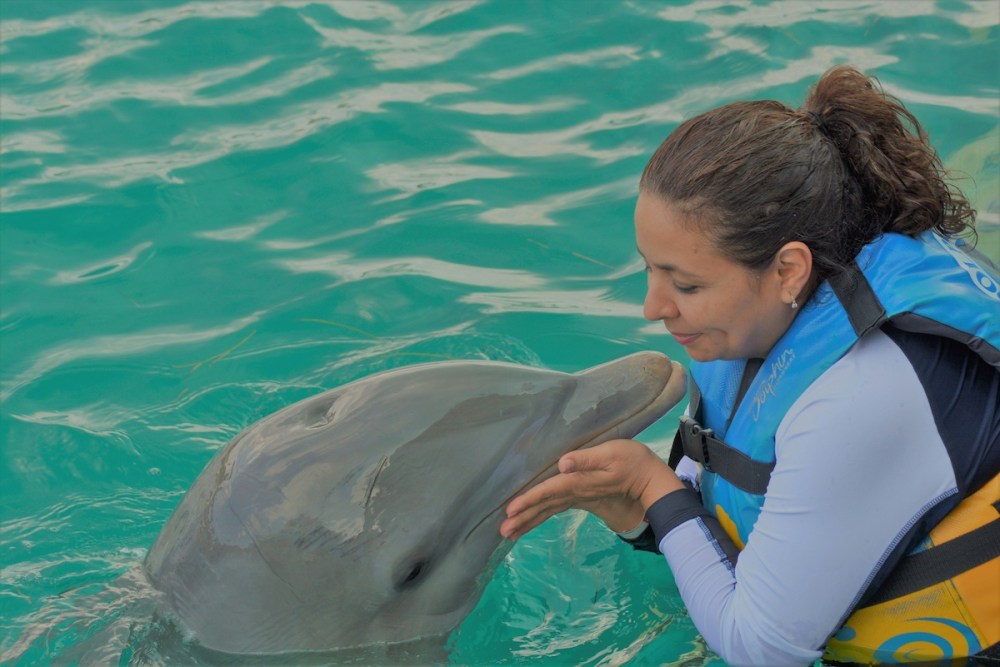
While some guests enjoy captive dolphin encounters, others leave with mixed feelings. It’s not uncommon to see feedback from travelers who expected a more meaningful or natural interaction, only to find the experience felt structured or repetitive.
Some describe the interactions as brief or highly scheduled, while others note that the dolphins appeared disengaged or limited in their behavior. Some note how small the pool is that they are kept in.
For many, the realization comes afterward: Maybe what what they truly wanted was to see dolphins being dolphins, not performing on cue in a man-made pool.
Why Wild Dolphin Encounters Are So Different
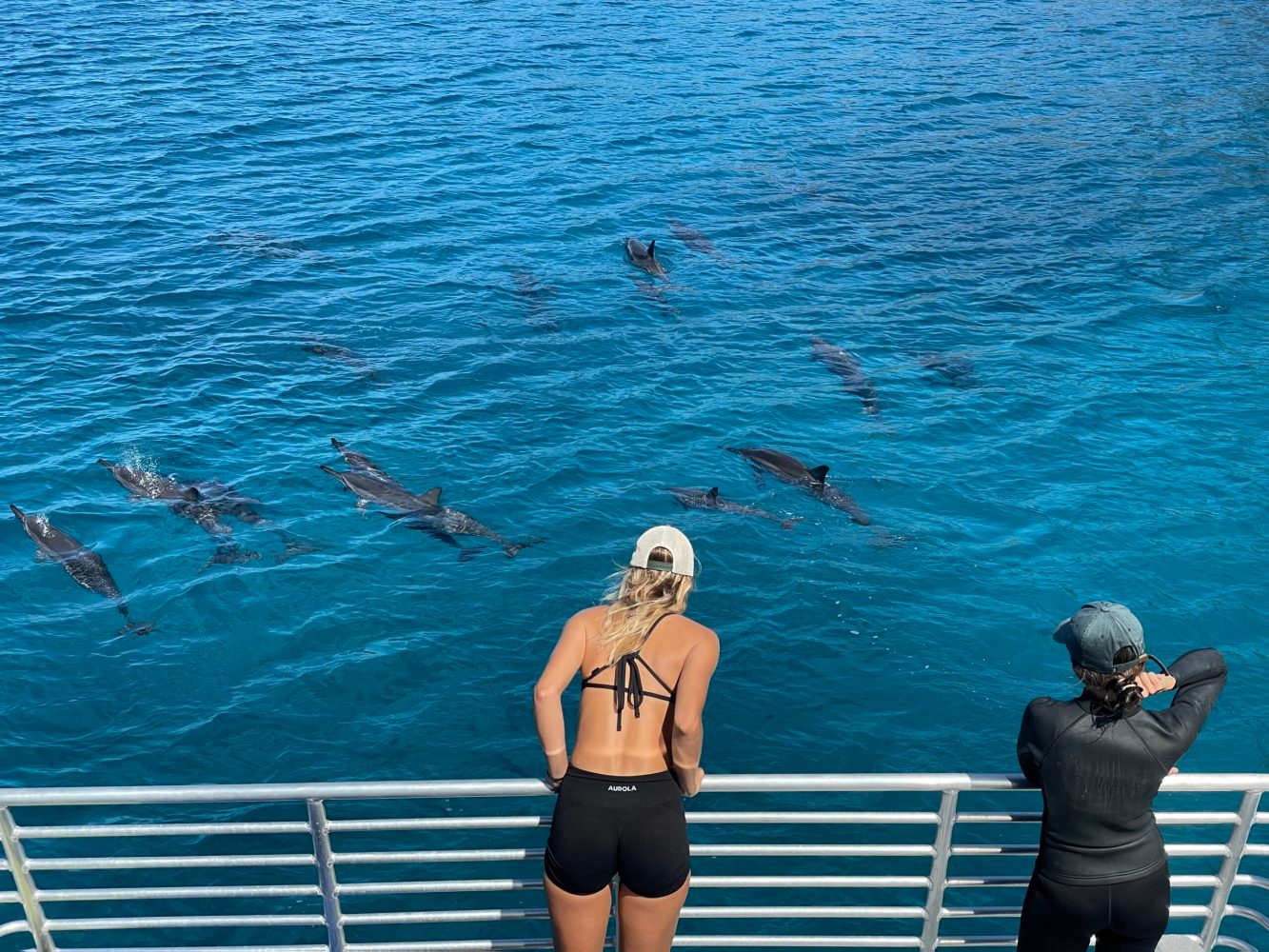
Experiencing dolphins in the wild is entirely different. There is no script, no guarantee of exactly what you’ll see. And that’s precisely what makes it so special.
Out on the open ocean, dolphins move freely, interacting with one another as they choose. You might see them leaping alongside the boat, curiously passing by underwater, or traveling in coordinated pods. Every moment is natural, unscripted, and real.
There is a sense of respect in these encounters: observing without interfering, appreciating without controlling. It creates a deeper connection, not just to the dolphins, but to the ocean as a whole.
A Better Way to Experience Dolphins with Iruka Hawaii
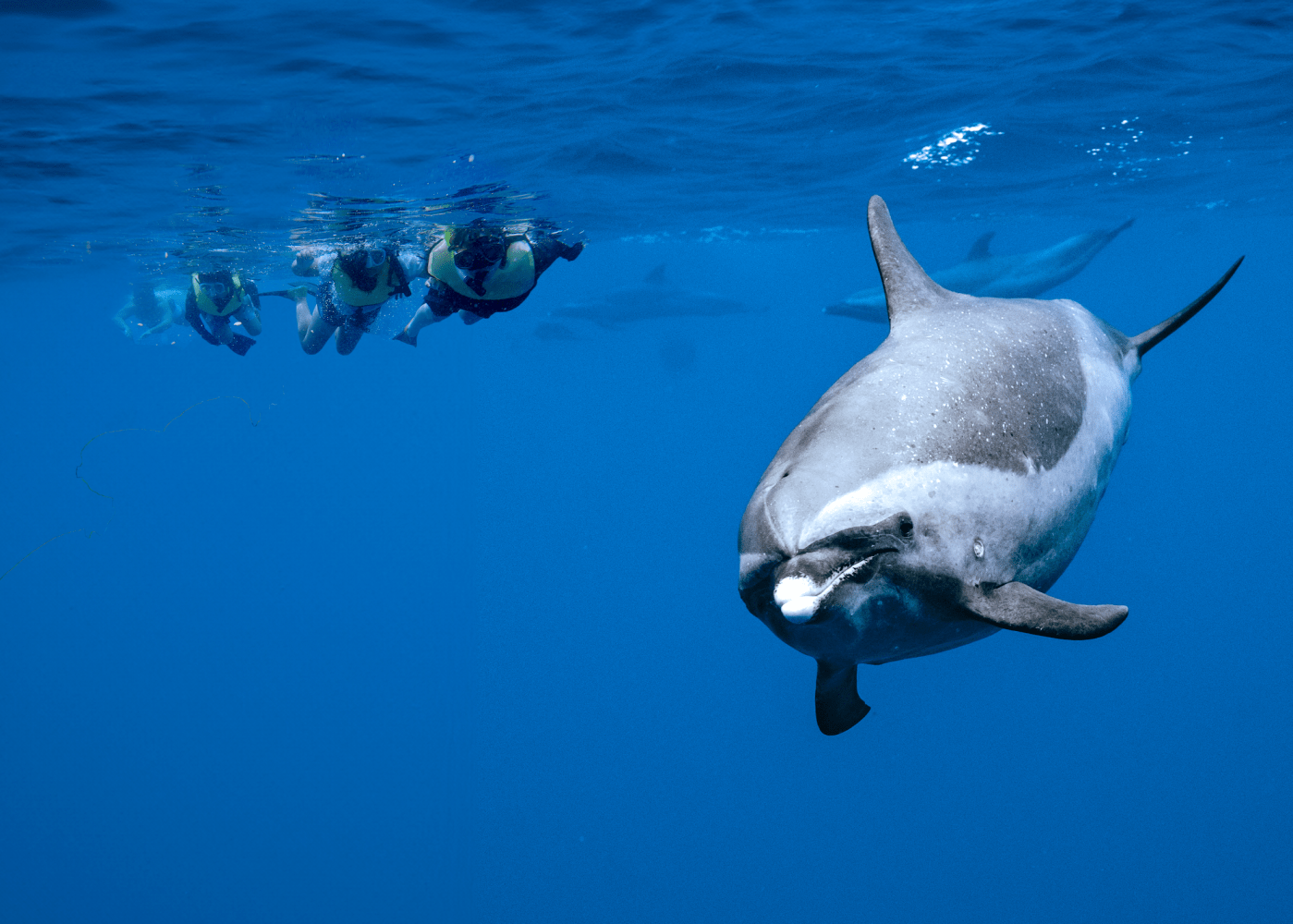
For travelers who want to experience dolphins in a way that feels both exciting and responsible, Iruka Hawaii offers an incredible alternative.
Their tours are designed around wild dolphin encounters, allowing guests to observe and, in some cases, swim near dolphins in their natural habitat off the west coast of Oʻahu. Rather than focusing on staged interactions, these experiences prioritize respectful viewing.
Depending on your comfort level and travel style, you can choose from a family-friendly catamaran dolphin swim, a more adventurous speedboat dolphin swim, or a relaxed dolphin watching tour. Each option offers a different way to engage with the ocean while still maintaining a strong emphasis on safety and marine life respect.
What makes these tours especially appealing is that they go beyond dolphin sightings alone. Guests also have the opportunity to snorkel in beautiful reef locations, often encountering sea turtles and vibrant tropical fish. On the catamaran tours, there are even water toys and added elements like a waterslide that make the experience fun and memorable for families.
Instead of a single, structured interaction, join an experience that unfolds naturally with wildlife encounters, ocean exploration, and time to simply enjoy being out on the water.