
The Best Times to See Manta Rays in Kona
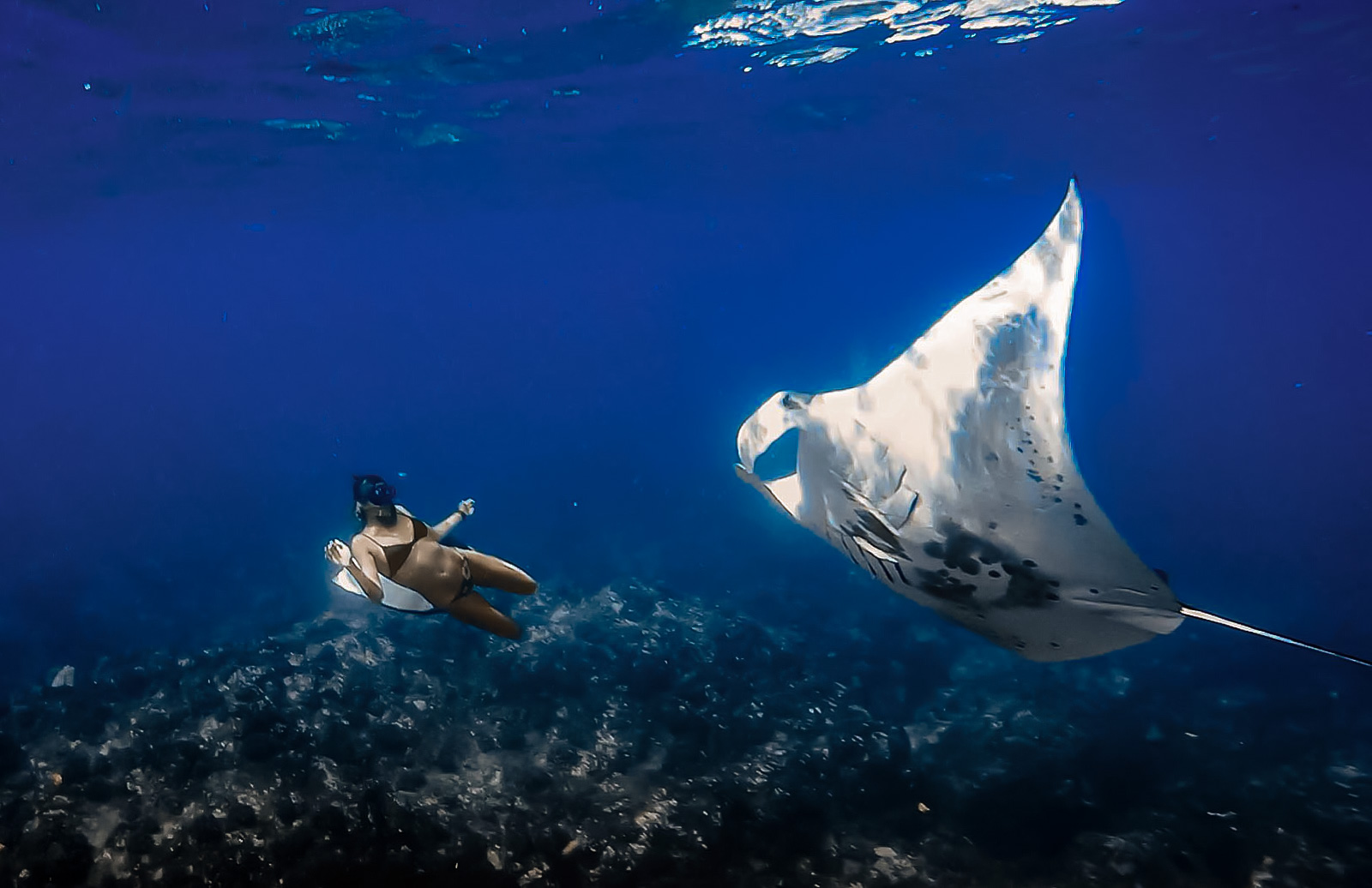
Kailua-Kona on Hawaiʻi’s Big Island is world-famous for its underwater ballet of manta rays, and many travelers ask, “What are the best times to see manta rays in Kona?”
The good news is that these gentle giants are resident in Kona’s coastal waters year-round. Yet, certain seasons, moon phases, and times of night offer even better opportunities for unforgettable encounters. This guide breaks down everything you need to know, plus how to experience manta rays up close with Iruka Hawaii, the most highly reviewed manta snorkel tour operator in the region.
Why See Manta Rays in Kona?
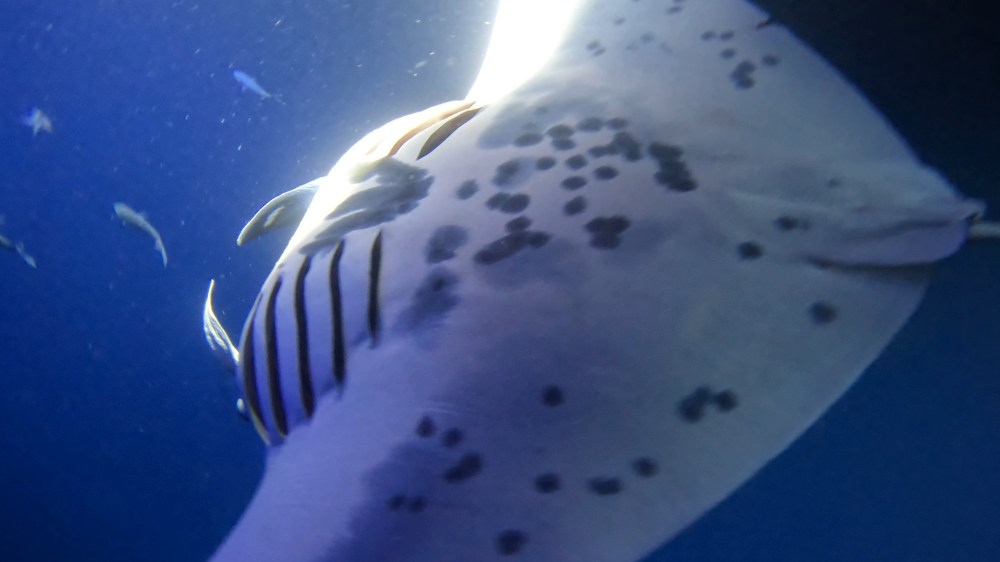
Manta ray snorkeling in Kona is one of the most iconic ocean experiences in Hawaii for good reason. These graceful giants, with wingspans often reaching more than 10 feet, create an unforgettable spectacle as they glide and somersault beneath the surface.
Kona’s unique geography and resident manta population make it one of the most reliable places in the world to swim with these animals, providing opportunities for both first-timers and seasoned ocean lovers alike. It’s an experience that draws snorkelers from around the globe.
Resident Presence in Kona (Not Seasonal)
One of the biggest advantages of snorkeling with manta rays in Kona is that the population is resident, meaning they don’t migrate. Unlike humpback whales or other seasonal visitors, manta rays can be found off the Kona coast every night of the year, making Kona one of the most consistent places for manta encounters anywhere on Earth.
This resident behavior means you can plan an unforgettable manta ray experience anytime, whether you’re visiting in winter or summer, though ocean conditions may vary by season.
Seasonal Breakdown
Peak/Optimal Season: April through October
The absolute best times to see manta rays in Kona often coincide with calmer seas, better visibility, and higher plankton concentrations. These conditions are typically found between late spring and early fall.
During this period:
- Ocean swells are minimal and calmer seas improve visibility and comfort.
- Water temperatures are warmer (generally 77–82°F), which makes nighttime snorkeling more pleasant.
- Plankton tends to congregate more strongly, drawing more mantas to feeding areas.
Shoulder Seasons : Spring & Fall
If April through October is peak, then March, November, and early December serve as excellent shoulder months. Conditions are usually still favorable, and crowds tend to be lighter than during summer and holiday peaks, which is especially appealing if you want the same incredible wildlife spectacle with a bit more tranquility.
Winter Months: November Through March
It’s important to understand that you can still see manta rays in Kona during winter, as they remain present year-round. However, winter can bring slightly rougher ocean conditions, including larger swells and stronger winds that occasionally lead to less predictable visibility.
Reputable operators like Iruka Hawaii still run tours throughout these months, and sightings remain highly probable when conditions are safe.
Time of Day: Why Night Is Best
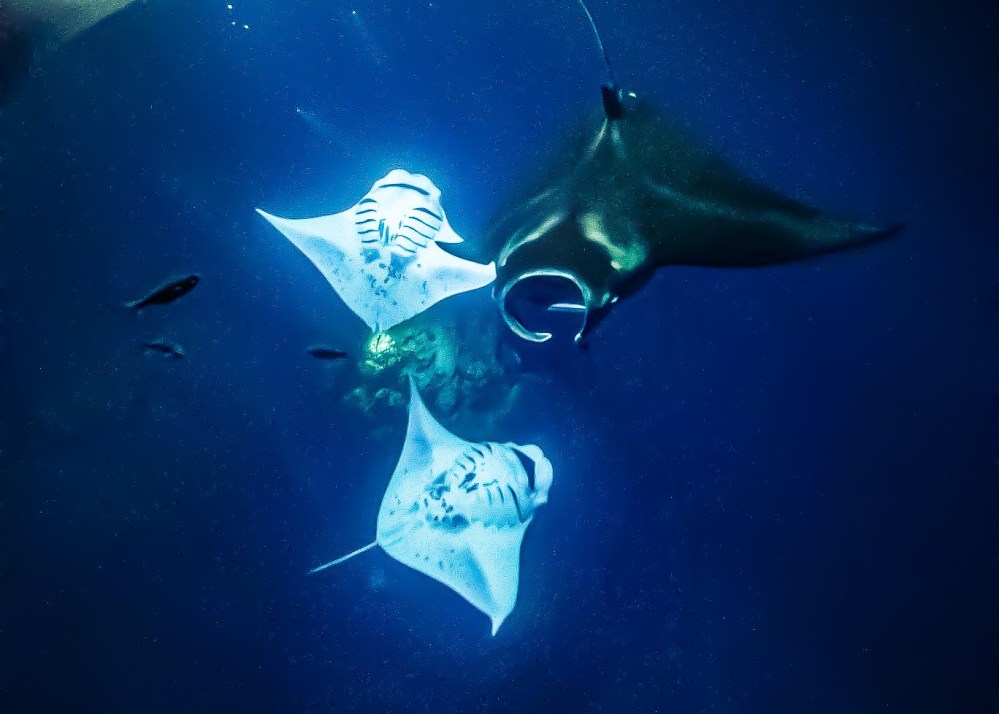
Manta rays in Kona are not strictly nocturnal, but they feed heavily at night because plankton (manta rays’ primary food source) are drawn to light.
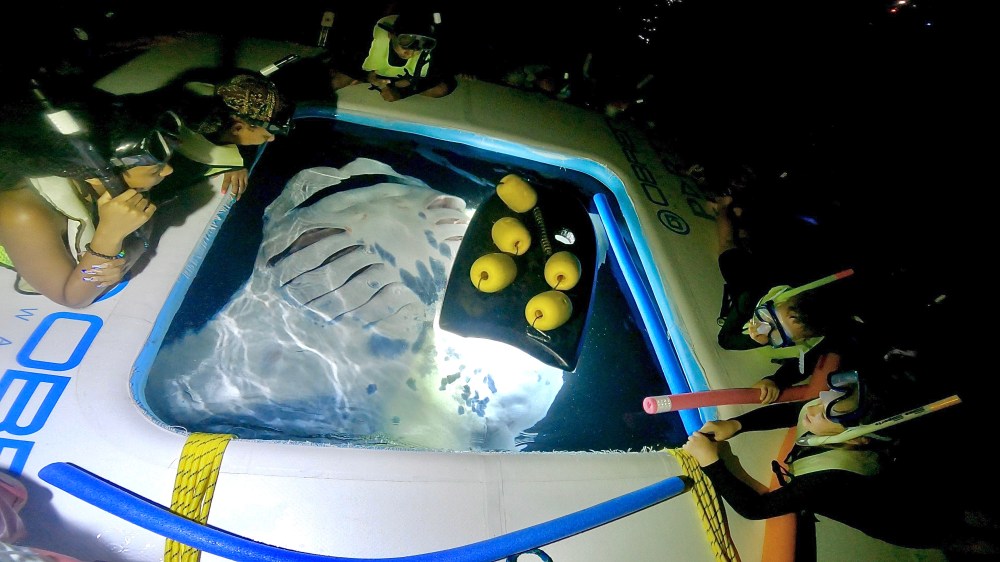
By placing large underwater lights at the snorkel site, tour operators create a “plankton-rich buffet.” The mantas then gather to feed directly below the lights, offering snorkelers a remarkable underwater spectacle. Because the rays don’t need to migrate for food, nighttime snorkeling is the most effective (and fun!) way to encounter them up close.
Because of this most manta snorkel tours depart in the early evening, usually around sunset, so that you arrive shortly after dark when plankton concentrations are highest and mantas begin their feeding routine.
While exact times vary by season (earlier departures in winter, later in summer), the first hour of darkness is often the most active and visually striking period for manta encounters, especially soon after lights are switched on.
And don’t worry, the ocean is perfectly safe at night in this location. It is shallow enough that larger ocean inhabitants do not visit. And manta rays are actually a natural deterrent to sharks.
Best Ways to See Manta Rays in Kona
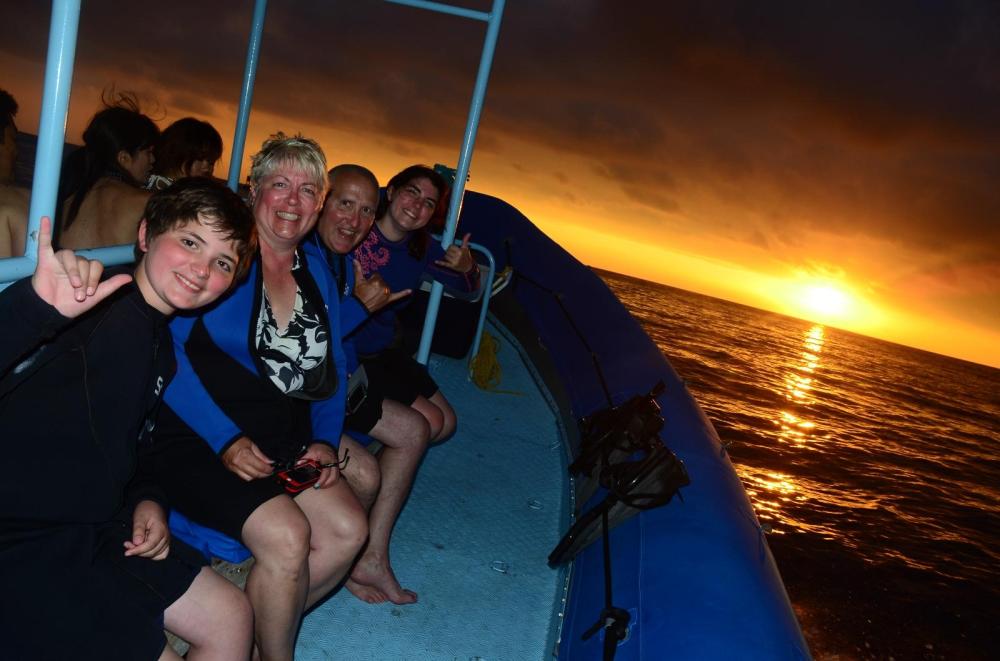
Guided Night Snorkel Tours
The most effective way to see mantas is by joining a night snorkeling tour that is designed specifically for this experience. Iruka Hawaii stands out is one of the top choices for families and adventurous travelers.
What Iruka Hawaii’s Manta Tour Includes:
- Expert, safety-focused crew with extensive local knowledge
- Snorkel gear provided (including prescription goggles if needed)
- Floating manta viewing mats for comfort in the water
- Hot snacks, water, and hot chocolate to warm up after snorkeling
- BYO alcohol welcome (no glass containers, please)
- Onboard restroom access
- Optional wetsuits available for added warmth
- Thousands of 5-star reviews praising encounters and service
With these amenities and care taken at every step, Iruka Hawaii’s manta tour elevates your chances of a great sighting while making the whole experience as comfortable and memorable as possible.
This manta tour is extremely popular and often sells out well in advance (especially during the peak spring, summer, and fall months), so it is highly recommended to book ahead.
Recap: Best Times to See Manta Rays in Kona
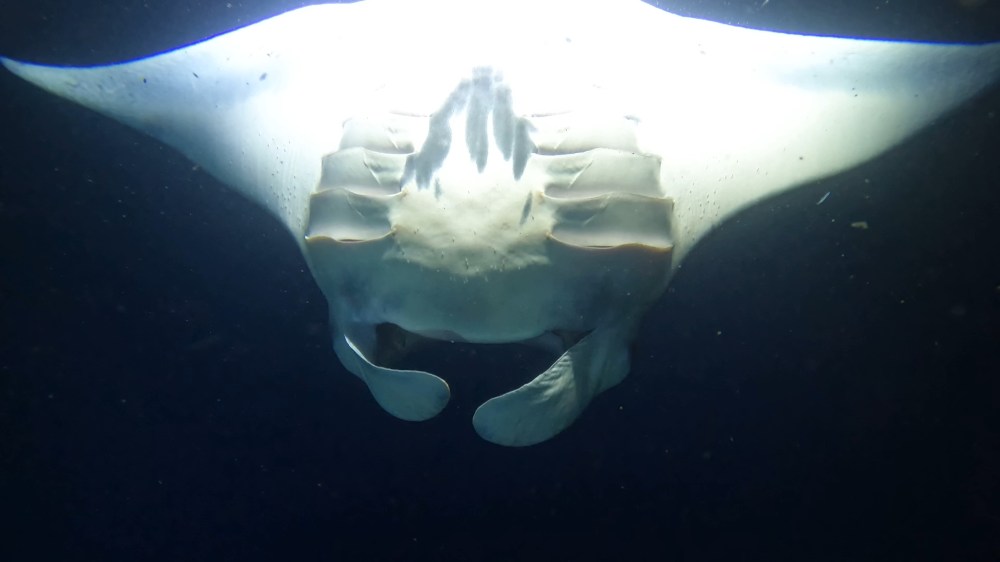
The Best Times to See Manta Rays in Kona aren’t limited to a single season. These remarkable animals are here every night of the year. However, if you want the best combination of calm seas, excellent visibility, and consistently smooth ocean conditions, aim for April through October, especially around new moon or darker lunar phases.
Whether you’re visiting in the heart of summer, during shoulder months, or even in cooler winter, you can have a magical, face-to-face encounter with manta rays. Iruka Hawaii’s highly reviewed tour offers the best way to make that dream a reality.
Ready to Swim With Manta Rays in Kona?
Join Iruka Hawaii’s manta snorkel tour for a night you’ll never forget, with expert crew, comfort amenities, and some of the highest sighting success rates around.